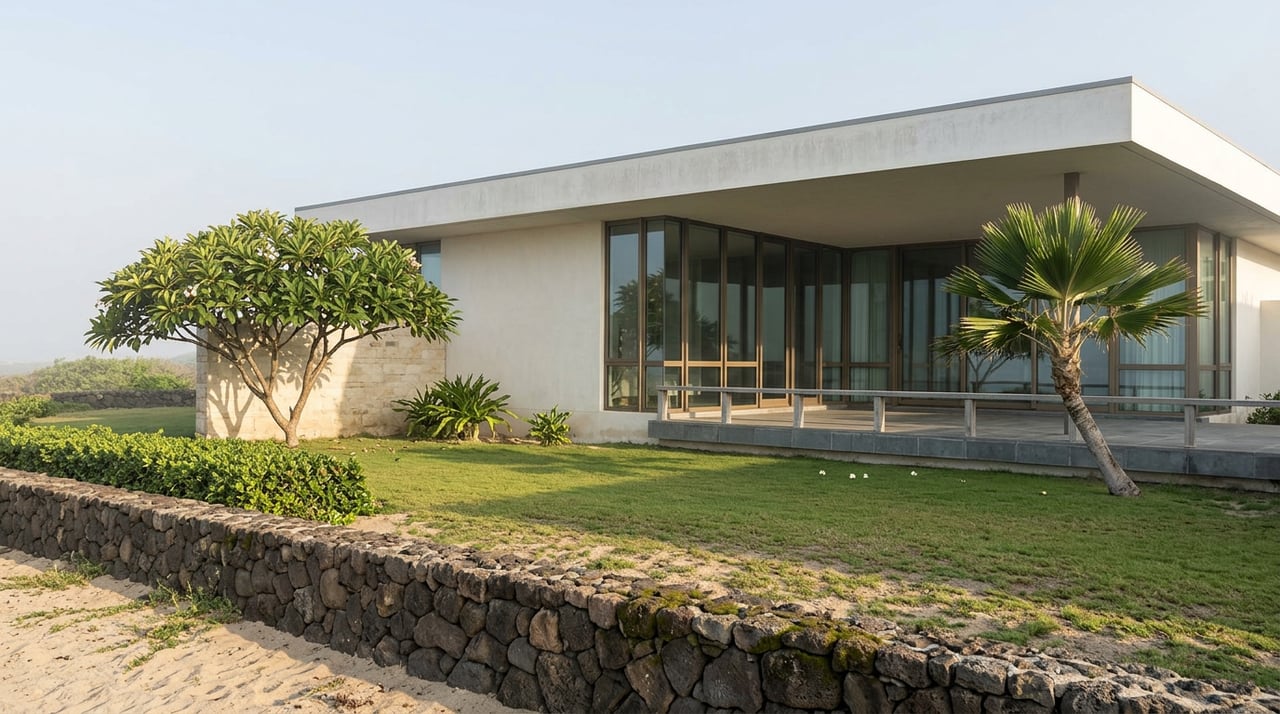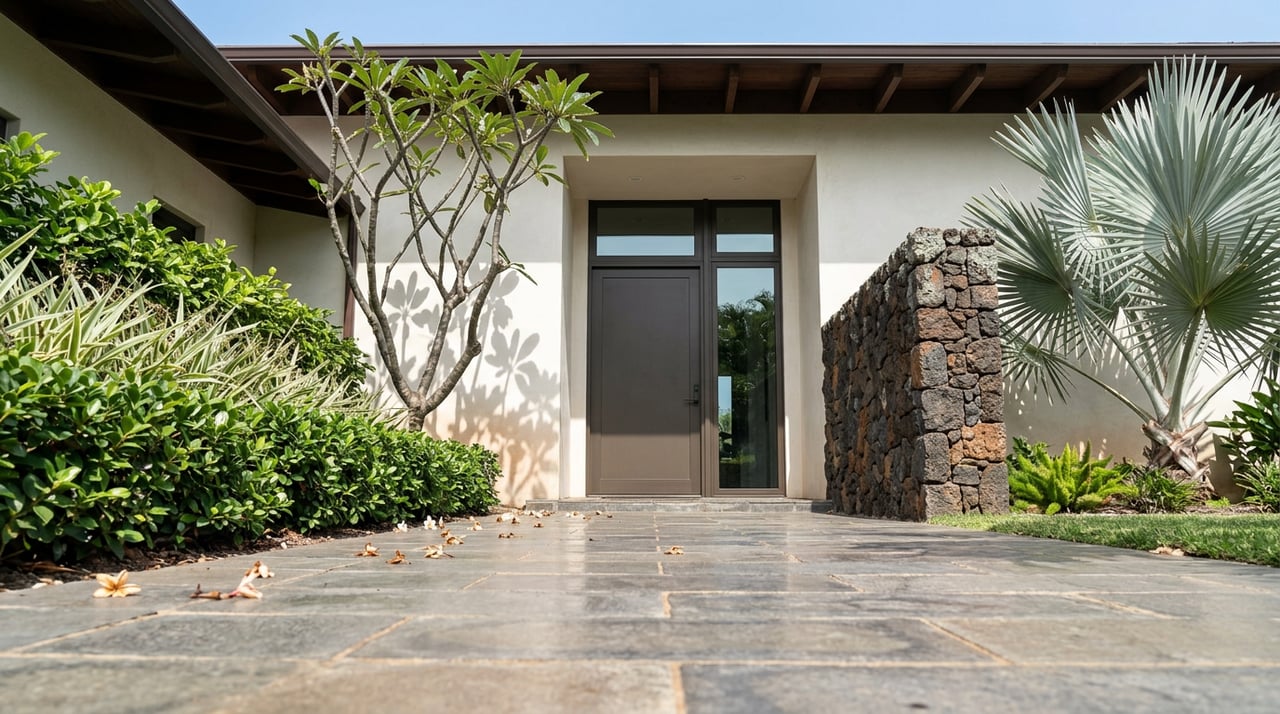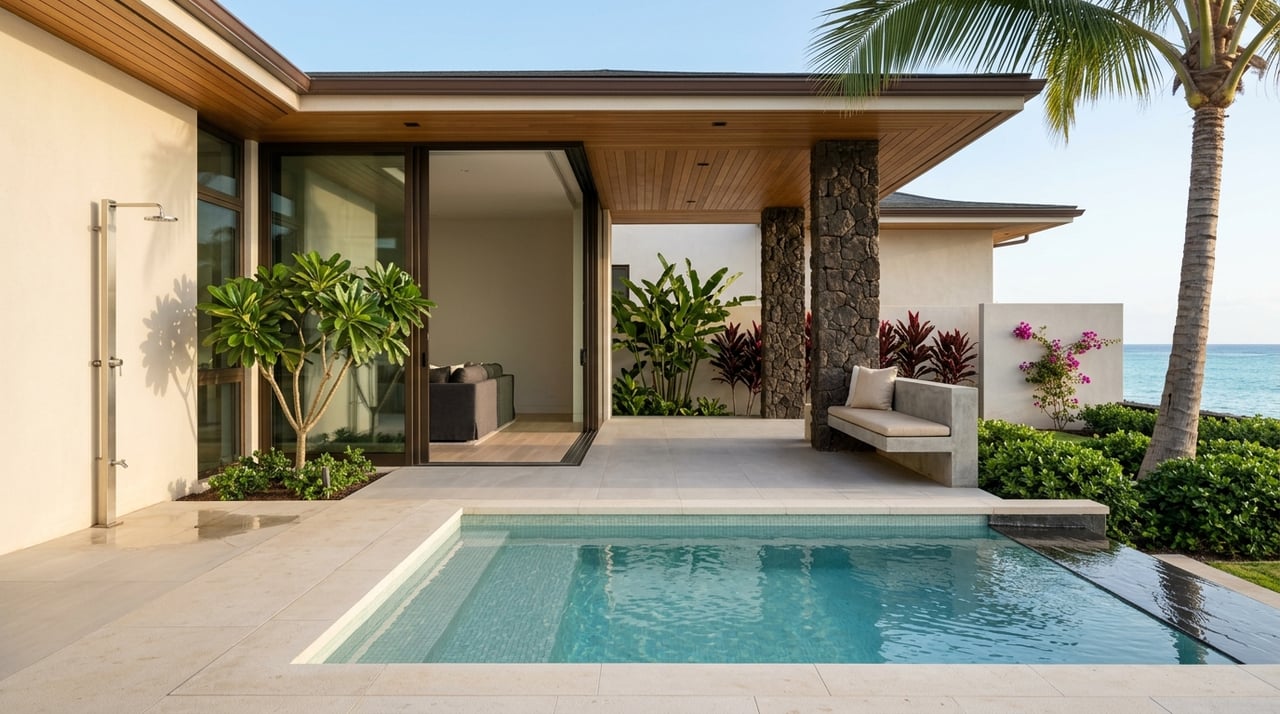
If you have ever wondered whether Lanikai is as dreamy to live in as it looks in photos, the short answer is yes, but with some very real tradeoffs. This is a small, beach-centered residential area where ocean views, walkability, and outdoor living shape the rhythm of the day. If you are thinking about buying in Lanikai or simply want a better feel for the neighborhood, this guide will help you understand what daily life is actually like. Let’s dive in.
Lanikai feels tucked away
Lanikai sits on the Kaʻōhao shoreline of Kailua on Oʻahu’s windward coast. According to the City and County of Honolulu’s Lanikai Transportation Management Plan, the community developed in the 1920s and has only one public roadway in and out, along with a one-way internal loop.
That layout helps explain why Lanikai feels so distinct from surrounding areas. It is compact, highly residential, and a bit removed from the busier pace of nearby Kailua Town. For many buyers, that sense of separation is part of the appeal.
The setting is one of Lanikai’s biggest draws
Lanikai is widely known for its shoreline views and quiet residential feel. The same city plan notes that the Mokulua Islands are one of the area’s signature visual features and among its most photographed landmarks.
From a lifestyle standpoint, that means your surroundings are part of everyday life here. Morning walks, beach access, and ocean views are not occasional perks. They are central to how many people experience the neighborhood.
Beach access shapes daily living
Living in Lanikai means living close to one of Oʻahu’s most recognized beaches, but it also means adjusting to the way access is managed. The city states that Lanikai Beach is accessed through public and private shoreline access points, and there are no public parking lots, restrooms, showers, or lifeguards on the half-mile beach.
That affects daily routines more than many first-time buyers expect. You may find that early mornings, walking, and biking are more practical than driving for short trips. If you plan to host guests, beach-day logistics often require a bit more planning too.
Parking is limited
Parking is one of the clearest realities of life in Lanikai. On peak-demand days, the city reports that more than 171 parked cars can be seen illegally parked on the unimproved sidewalk.
Because of that, the transportation plan focuses on parking controls, off-site parking, and transit solutions. For residents, this reinforces the idea that Lanikai is not designed around heavy visitor vehicle traffic. It is a residential shoreline community first.
Walking and biking make sense here
The main loop in Lanikai includes bike lanes and is treated as part of the city’s pedestrian-priority network. In practical terms, that supports a lifestyle where walking and biking can feel more natural than short drives.
If you like the idea of stepping outside for a walk with ocean air and scenic surroundings, Lanikai delivers that experience well. The tradeoff is that convenience works differently here than in more service-rich parts of Oʻahu.
Outdoor living is a major part of the appeal
For many residents, Lanikai’s strongest value is how easy it is to be outside. The shoreline, nearby paddling routes, and trail access all contribute to a very active, coastal lifestyle.
This is the kind of neighborhood where many people start the day early. A beach walk, a paddle, or a trail climb can be part of a normal weekday routine rather than a special weekend plan.
The Lanikai Pillbox Trail is close by
The Kaʻiwa Ridge Trail, often called the Lanikai Pillbox Trail, is one of the area’s best-known outdoor attractions. The city describes it as a DLNR-managed trail accessed near Kaʻelepulu Drive, with a short, steep climb to World War II-era observation bunkers and broad windward-coast views.
That proximity is a real lifestyle benefit if you enjoy hiking and scenic overlooks. It also comes with the same access limitations seen elsewhere in Lanikai, since the city notes there is no parking or supportive infrastructure near the trailhead.
Ocean access comes with stewardship
The Mokulua Islets offshore add to Lanikai’s visual identity, but they are also protected. The Hawaiʻi DLNR explains that the Mokulua Islets Seabird Sanctuary allows activities such as birdwatching and kayaking, but access is limited to areas below the high-water mark, and the islets are closed from sunset to sunrise.
That is an important part of understanding the neighborhood. Lanikai is not just scenic. It is also closely tied to coastal resource protection, which shapes how people use and enjoy the area.
Safety matters in a coastal neighborhood
Any neighborhood built around the ocean comes with safety considerations, and Lanikai is no exception. Honolulu Ocean Safety and EMS responded to a kayaking incident off Lanikai Beach near the Mokulua Islands in 2024, a reminder that water conditions can change quickly.
The Honolulu Fire Department’s outdoor guidance stresses checking weather and conditions, following posted signs, and choosing lifeguard-protected beaches when possible, as noted in the city’s Ocean Safety and EMS update. For residents, that means coastal living here is rewarding, but it also asks for sound judgment and preparation.
Lanikai has fewer on-site amenities
One of the biggest distinctions between Lanikai and more urban Oʻahu neighborhoods is that Lanikai is not a full-service commercial district. You do not move here for a concentration of shops, restaurants, or daily errands within the neighborhood itself.
Instead, nearby Kailua Town plays a major role in day-to-day convenience. That setup works well for people who prioritize a peaceful residential setting and do not mind heading into Kailua for services and errands.
Kailua Town supports daily needs
The city’s Route 671 connects Lanikai with Kailua Town and other bus corridors. The transportation plan states that Route 671 currently runs about every 40 minutes on weekdays, weekends, and holidays between 6:00 a.m. and 7:30 p.m.
Kailua Town also adds community-oriented amenities nearby. Go Hawaii’s farmers market guide lists the Kailua Farmers Market on Thursdays at 609 Kailua Rd. and the Kailua Town Farmers Market on Sundays at Kailua Elementary School.
The beach is beautiful, but also managed carefully
Lanikai’s shoreline is one of its greatest assets, and it is also an area under active care. The City and County of Honolulu says dune restoration work is underway on the Lanikai side of Kailua Beach Park because erosion has narrowed the beach over recent decades.
That effort reflects a larger reality of living in a coastal environment. Shoreline beauty here is not static. It depends on long-term stewardship, public management, and thoughtful use of the area. The city also notes that Kailua Beach Park receives more than 1,700 visitors per day, which highlights the ongoing pressure on nearby coastal spaces.
Who tends to love living in Lanikai
Lanikai often appeals to buyers who want a residential coastal setting with a strong connection to the outdoors. If you value scenery, a quieter street pattern, and easy access to the beach and trail life, this neighborhood can feel very special.
It may be especially appealing if you are comfortable trading some convenience for setting. Lanikai is better suited to people who appreciate planning ahead, respecting access limitations, and making nearby Kailua part of daily life.
What to consider before buying in Lanikai
Before you buy in Lanikai, it helps to think beyond the photos. A beautiful address is only part of the equation. The better question is whether the neighborhood’s rhythms match how you actually want to live.
Here are a few practical points to keep in mind:
- Access is limited, with one public roadway in and out of the neighborhood.
- Parking is constrained, especially on busy beach days.
- On-site amenities are minimal, so Kailua Town often supports errands and services.
- Outdoor recreation is a major lifestyle feature, from beach time to trail access.
- Coastal stewardship and safety matter, especially if you plan to spend time on the water.
If those factors feel like part of the charm rather than a drawback, Lanikai may be a strong fit.
Final thoughts on Lanikai living
Lanikai offers a rare kind of Oʻahu lifestyle. It is scenic, residential, and deeply tied to the shoreline, with a pace that often feels quieter and more intentional than busier parts of the island.
At the same time, it is not the easiest or most convenience-driven neighborhood. Living here means understanding access, respecting the coastal setting, and embracing a community where the environment shapes daily life. If you are considering a move to Lanikai or comparing it with nearby Kailua and other Oʻahu neighborhoods, working with an experienced local advisor can help you evaluate the fit with clarity. To explore homes and get thoughtful guidance tailored to your goals, connect with Beth Chang.
FAQs
What is daily life like in Lanikai for full-time residents?
- Daily life in Lanikai often revolves around the beach, walking, biking, and planning ahead for parking, visitors, and errands in nearby Kailua Town.
What should home buyers know about parking in Lanikai?
- Buyers should know that Lanikai has limited parking, no public beach parking lots, and heavy demand on peak days, which can affect guests and beach access.
What amenities are available in Lanikai itself?
- Lanikai is primarily residential and does not function as a full-service commercial area, so many day-to-day amenities are found in nearby Kailua Town.
What outdoor activities are popular near Lanikai?
- Popular outdoor activities include beach walks, kayaking, birdwatching in permitted areas, and hiking the Kaʻiwa Ridge Trail, also known as the Lanikai Pillbox Trail.
What makes Lanikai different from other Oʻahu neighborhoods?
- Lanikai stands out for its tucked-away layout, strong beach-centered identity, limited on-site infrastructure, and close connection to the shoreline and outdoor living.