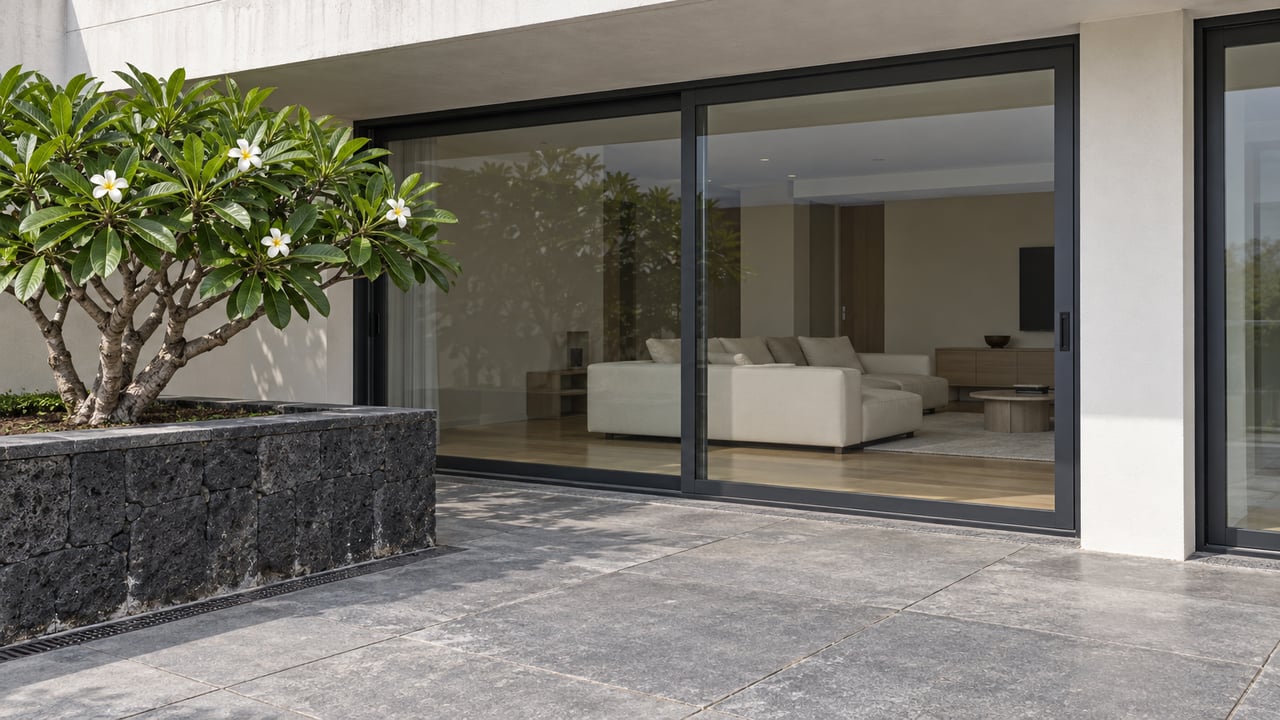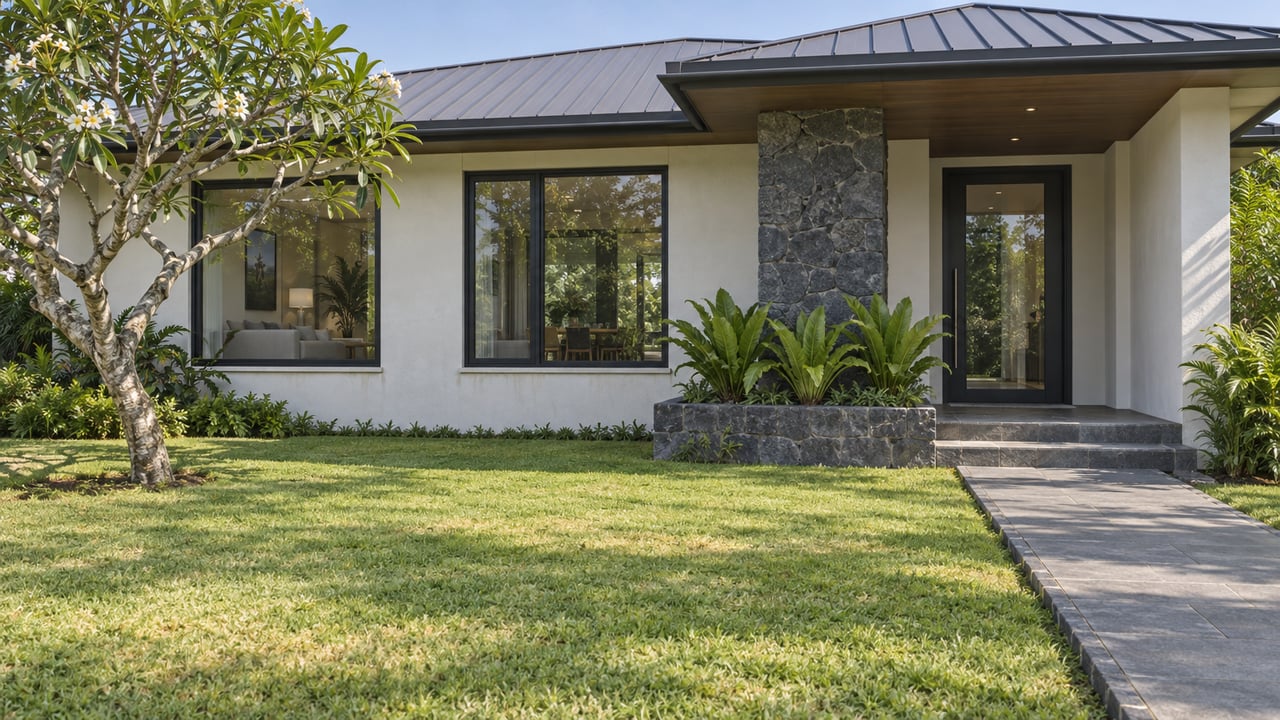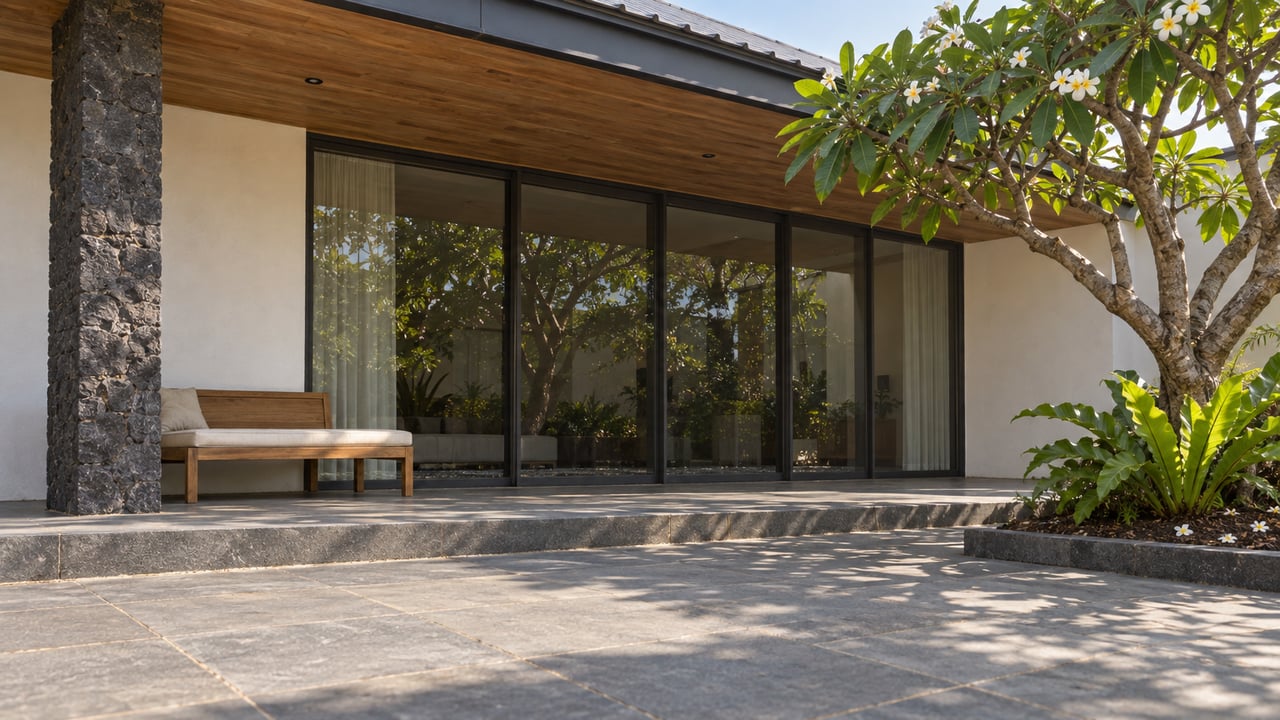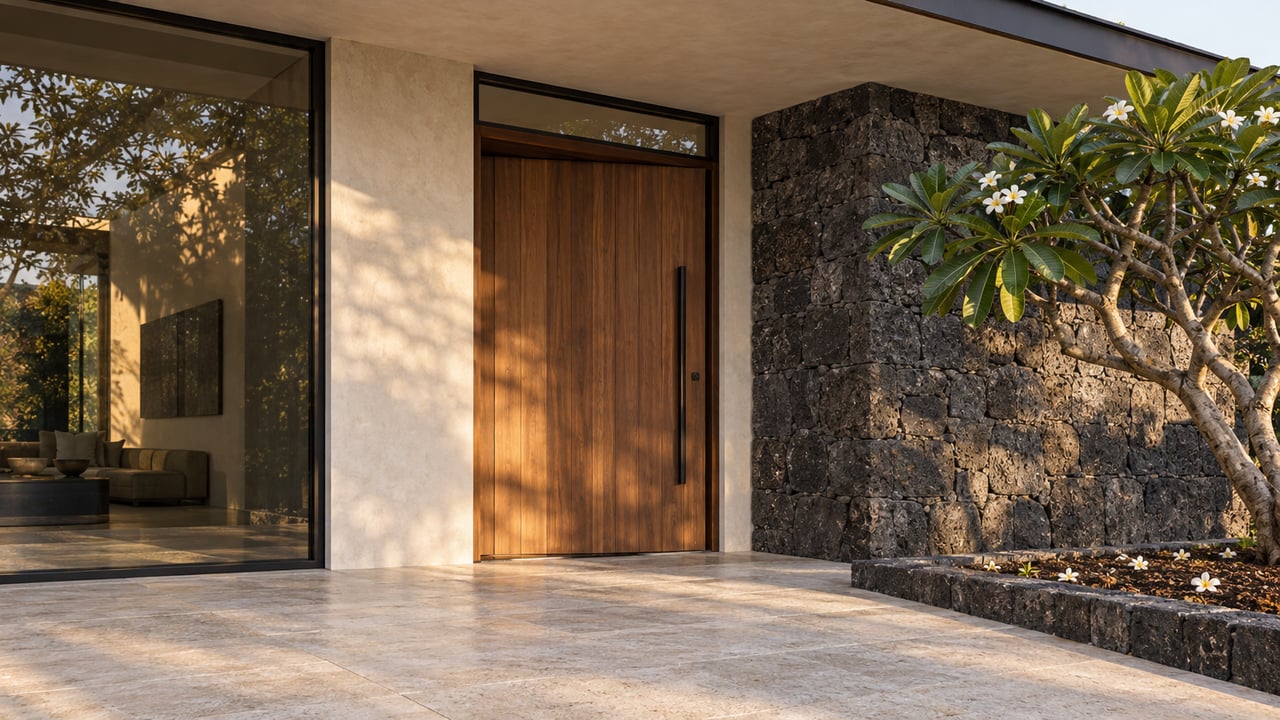
If you are trying to buy in Lanikai, you are not shopping in a typical neighborhood market. You are competing in a very small coastal pocket where inventory can stay extremely limited, and a handful of listings can shape the whole picture. The good news is that you do not need to chase every property blindly. With the right preparation, a clear offer strategy, and careful due diligence, you can compete more effectively. Let’s dive in.
Why Lanikai feels so competitive
Lanikai behaves like a true micro-market. The City and County of Honolulu identifies it as a community on the Kaʻōhao shoreline of Kailua, and public roadway access is limited to one roadway with no other public road outlet once drivers enter from Kailua Road and Kalāheo Avenue.
That physical setup matters because supply is naturally constrained. Redfin’s current Lanikai Beach page shows just 9 homes for sale, which is a very small number for any neighborhood. In a market this tight, each new listing can draw serious attention simply because there are so few alternatives.
It also helps to remember that broader housing data does not always capture Lanikai cleanly. Many public sources group it into larger areas like Kailua, Kailua-Waimānalo, or ZIP code 96734. For you as a buyer, that means neighborhood-level strategy matters more than relying only on islandwide headlines.
What the numbers suggest right now
At the Oahu level, the market showed some easing at the end of 2025. The Honolulu Board of Realtors reported a single-family median sales price of $1,139,000, median days on market of 23, and average active inventory that was 15.7% higher than in 2024.
That sounds more balanced than the ultra-tight conditions many buyers remember, but Lanikai is not the same as the island as a whole. In nearby Kailua-Waimānalo, single-family homes posted a $1.685 million median sale price, 15 median days on market, and sellers received 98.6% of original list price year to date through December 2025.
Lanikai-specific numbers are even more specialized. Redfin’s Lanikai Beach snapshot shows a median sale price of $4.14 million, 162 days on market, and only 4 homes sold in the sample. Because the sales count is so small, those figures can shift quickly and should be read carefully.
The key takeaway is simple: a tight market does not always mean every home sells far above asking. In March 2026, Honolulu County homes sold for about 1.05% below asking on average, and Kailua homes sold for 2.32% below asking. That supports a disciplined approach based on recent comparable sales, not panic bidding.
Start with a ready-to-go financial plan
In Lanikai, timing matters. If the right property comes up, you want to be in a position to act without scrambling through paperwork at the last minute.
A preapproval letter is one of the first tools you need. The CFPB says a preapproval letter is a lender’s statement that they are tentatively willing to lend up to a certain amount, but it is not a guaranteed loan offer.
It is also important to keep that letter current. The CFPB notes that preapproval letters can expire in 30 to 60 days, so if you are watching the market for a while, refresh your financing documents before you need them.
Just as important, build your budget around the full cost of ownership. In a coastal market like Lanikai, that means looking beyond the purchase price and accounting for property taxes, homeowner’s insurance, possible flood insurance, and repair or maintenance costs that may come with an ocean-oriented property.
Define your tradeoffs before you tour
In a neighborhood with low inventory, hesitation can cost you opportunities. One of the smartest ways to move faster is to decide in advance where you are flexible and where you are not.
For example, think through these questions before touring homes:
- Do you want to prioritize beach proximity, privacy, views, or interior condition?
- Are you open to a home that needs updates if the location is strong?
- Would you consider a property with a longer closing timeline?
- Are you comfortable with higher insurance or maintenance costs tied to a coastal setting?
- What is your firm walk-away price?
When you already know your answers, it becomes easier to act decisively. That kind of preparation often matters more than trying to be the fastest person in the room.
Make a strong but grounded offer
A competitive offer should be serious, clean, and supported by data. It does not need to be reckless.
Because nearby market stats show sellers often receive close to original list price, there is a good argument for coming in with a well-supported offer quickly when a property is well priced and aligned with recent comps. At the same time, current data does not support assuming that every listing needs an aggressive over-ask offer.
Your best strategy is usually to anchor to the most relevant recent sales and evaluate the home on its own merits. In Lanikai, that is especially important because lot position, ocean orientation, condition, and unique features can create wide pricing differences from one property to the next.
Keep the right protections in place
In a competitive market, buyers sometimes feel pressure to strip away protections. That can create unnecessary risk, especially with coastal homes.
The CFPB recommends making a purchase offer contingent on financing and a satisfactory inspection. Those terms can help protect you if the loan does not come through or if the inspection reveals serious problems.
It is also important to understand that an appraisal and an inspection are not the same thing. Fannie Mae notes that the appraisal is the value the lender uses in underwriting, while the inspection evaluates the property’s condition.
For higher-value homes, that distinction can be especially important. A home can appraise at a certain level and still present condition issues that deserve further review.
Coastal due diligence matters more here
Buying near the coast calls for a different level of diligence. In Lanikai, that is not a detail. It is part of the core buying strategy.
The CFPB notes that homeowner’s insurance typically does not cover flood damage. It also says buyers in a FEMA Special Flood Hazard Area are likely required to buy separate flood insurance.
Even outside high-risk mapped zones, flood exposure still deserves attention. FEMA says flooding can result from storm surge, coastal erosion, and heavy rainfall, and that flood events can happen outside mapped high-risk areas.
The CFPB also advises buyers to check disaster risk before purchasing because insurance may be harder to find or more expensive in risk-prone areas. For coastal properties, that can affect both your monthly costs and your long-term planning.
Know what a standard inspection may miss
A general home inspection is essential, but it has limits. Fannie Mae says a standard inspection should review the foundation, drainage, roof, walls, windows, plumbing, structural components, and signs of water intrusion.
Those items matter in any market, but they become even more important near the ocean, where moisture, exposure, and drainage can play a larger role in maintenance. The CFPB also notes that coastal areas may have issues caused by contamination from salt water.
At the same time, a standard inspection does not cover everything. Fannie Mae notes that buried items, subsurface drainage systems, docks, waterfront structures, and other hidden or specialized conditions may require additional specialist evaluation.
If you are considering a Lanikai property with unique coastal features or site conditions, specialized inspections may be worth discussing early. A little extra diligence upfront can help you avoid expensive surprises after closing.
How to compete without overreaching
The strongest buyers in Lanikai usually do four things well:
- They stay financially prepared. Their preapproval is current, and they understand their full budget.
- They move with clarity. They know their priorities and tradeoffs before a listing appears.
- They write data-based offers. They use recent comps instead of reacting emotionally.
- They respect due diligence. They move quickly, but they do not ignore inspection, appraisal, insurance, or flood-risk questions.
That approach is especially important in a neighborhood where each property can be highly individual. In Lanikai, success is often less about being the most aggressive buyer and more about being the most prepared one.
If you are considering a purchase in Lanikai, working with an experienced Oahu advisor can help you evaluate pricing, structure a thoughtful offer, and navigate the added layers that come with coastal real estate. To talk through your goals, connect with Beth Chang.
FAQs
What makes the Lanikai real estate market so tight?
- Lanikai is a very small coastal neighborhood with limited roadway access and very low listing inventory, so even a few active homes can define the market.
How many homes are for sale in Lanikai right now?
- Redfin’s current Lanikai Beach page shows 9 homes for sale, which highlights how limited supply can be at the neighborhood level.
Should you expect to bid far above asking in Lanikai?
- Not always. Recent nearby market data suggests buyers should be ready to act quickly, but still base offers on comparable sales rather than assume every home will require a major over-ask bid.
Why is preapproval important when buying in Lanikai?
- A current preapproval letter shows sellers you are financially prepared, and it can help you move faster when a desirable home becomes available.
What extra due diligence should buyers consider for Lanikai homes?
- Buyers should review insurance costs, possible flood-risk issues, water intrusion concerns, drainage, and any specialized coastal features that may need inspection beyond a standard home inspection.
Does homeowner’s insurance cover flood damage in Lanikai?
- Typically, no. The CFPB says homeowner’s insurance usually does not cover flood damage, and separate flood insurance may be required in certain flood-hazard areas.