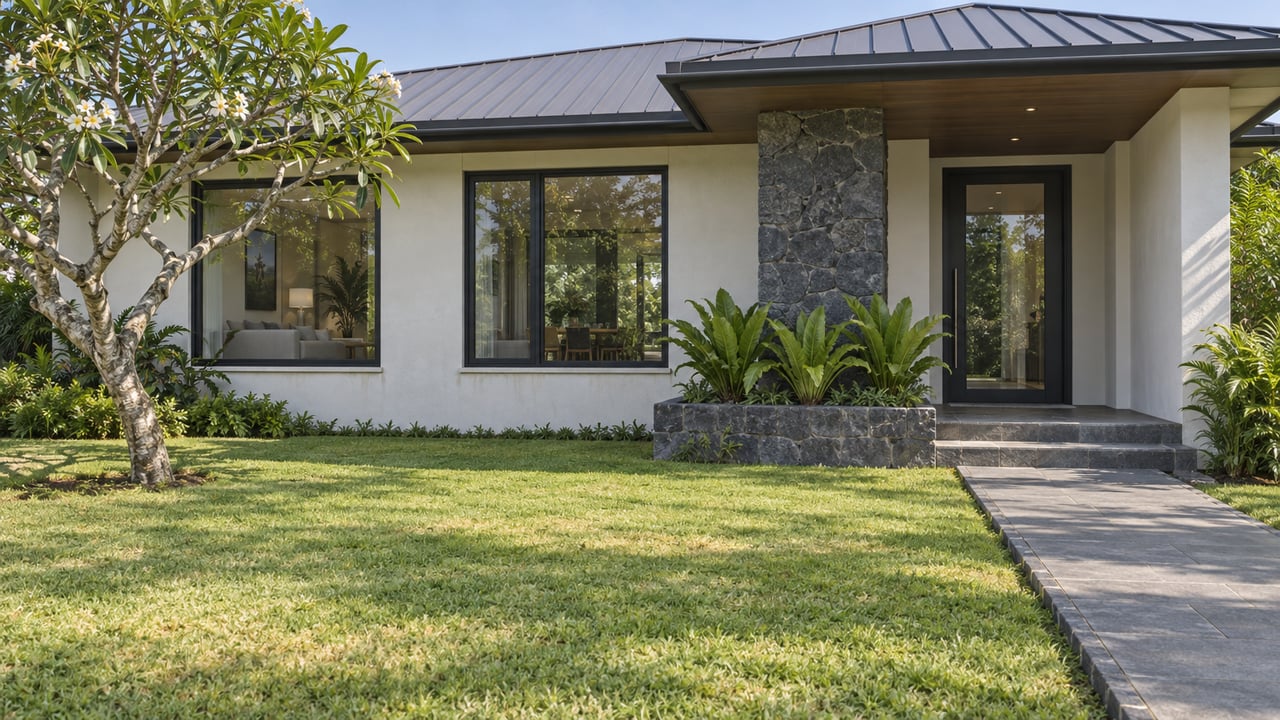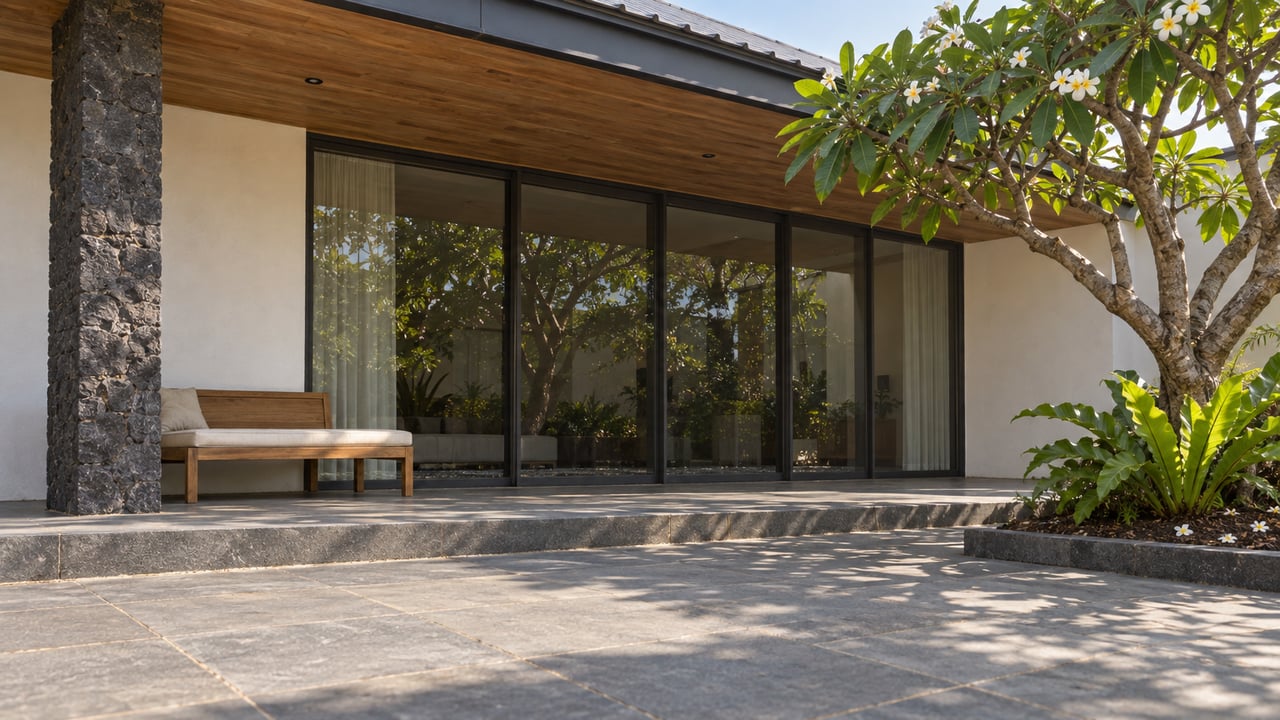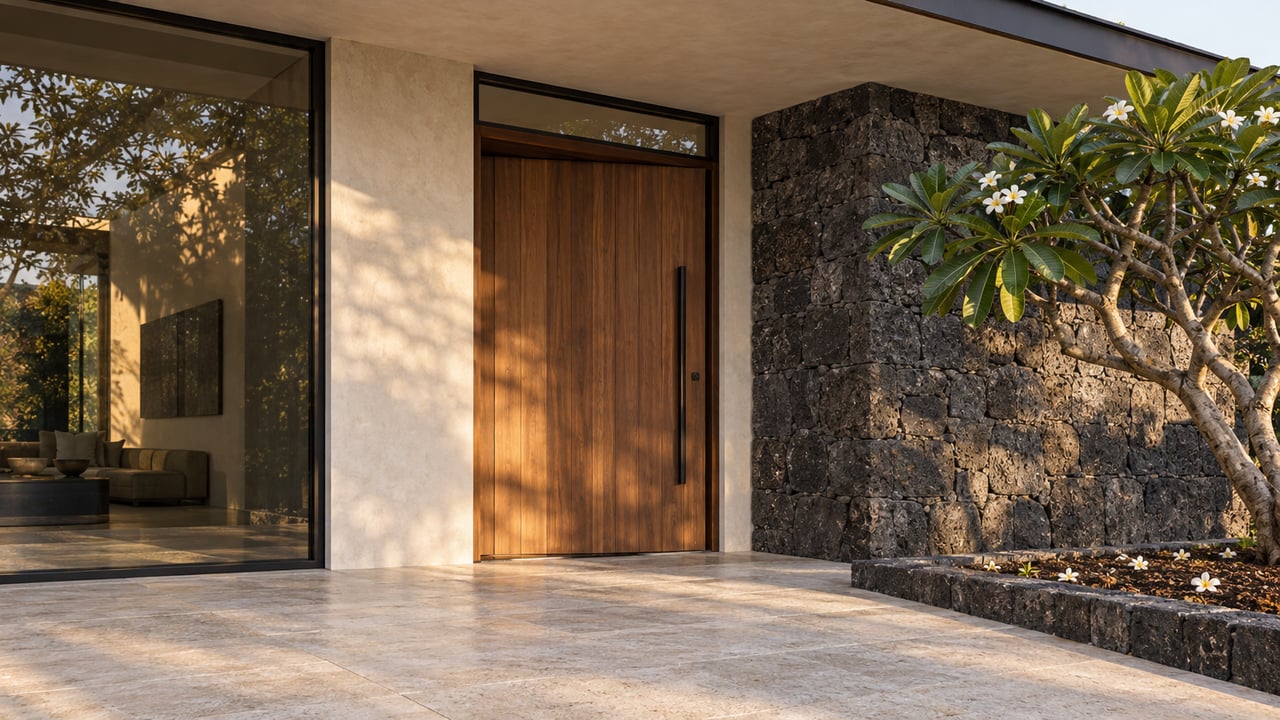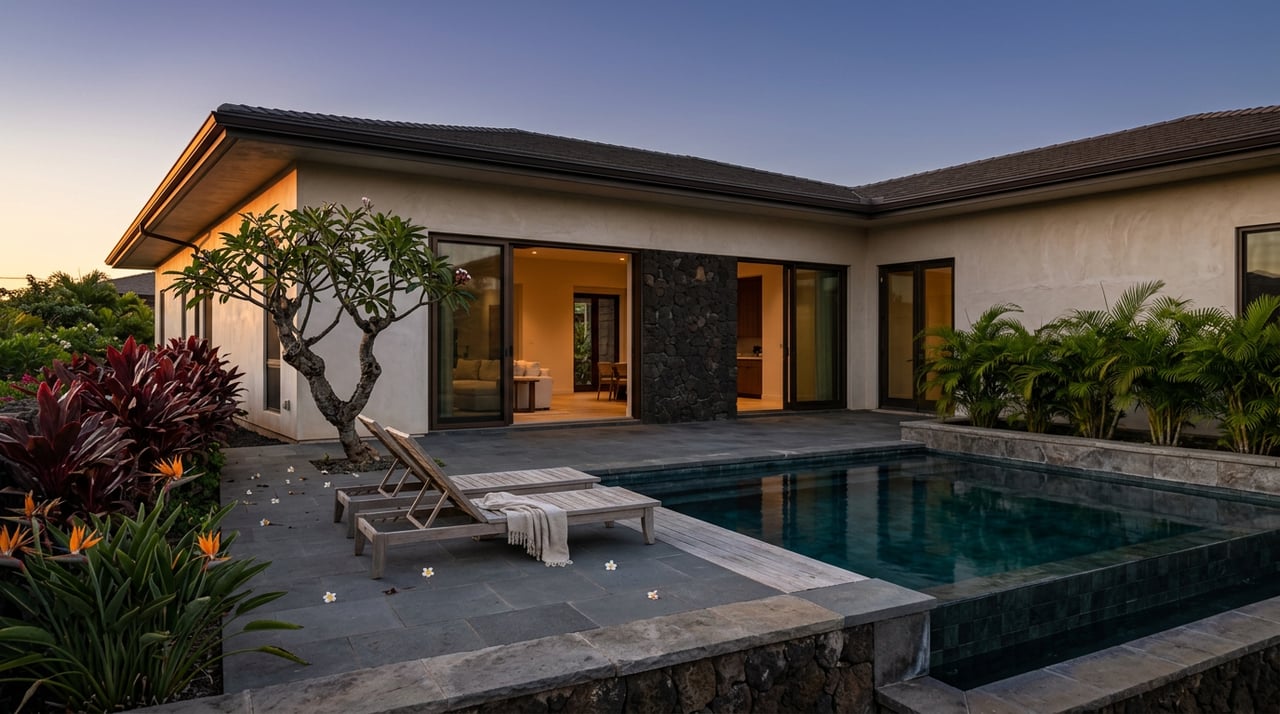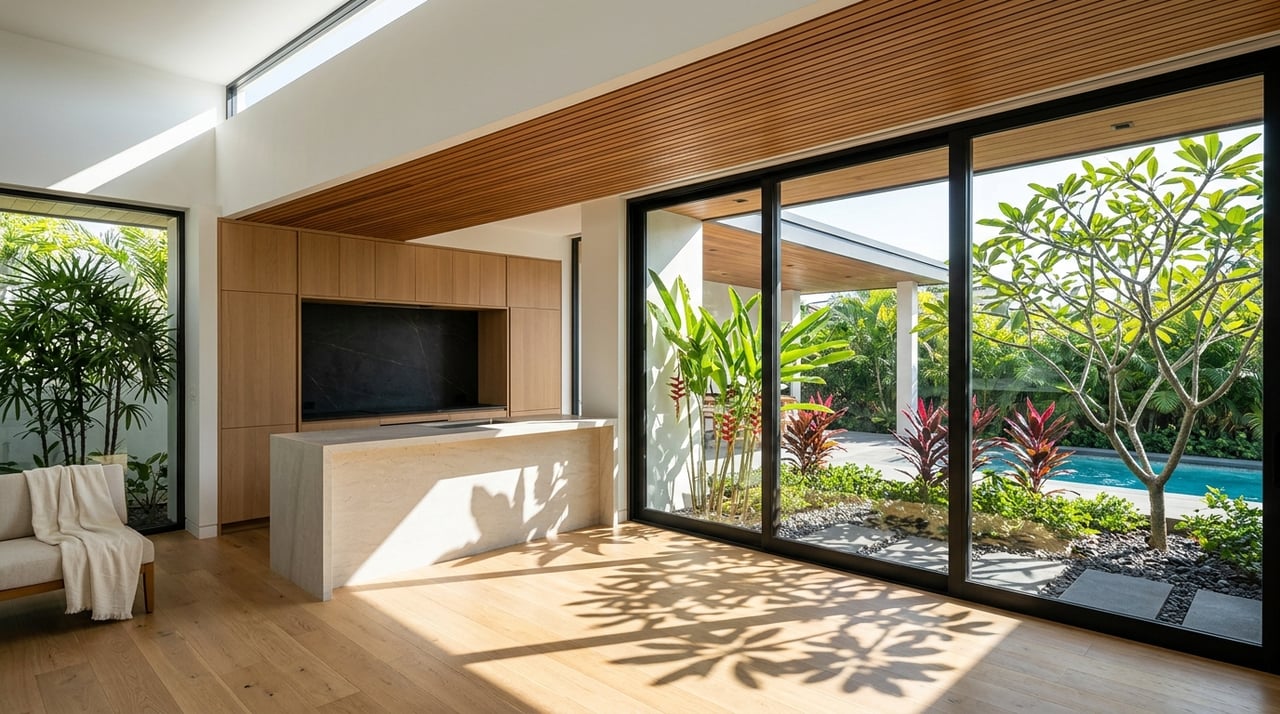
If you are looking at Kahala Kua, you are not just buying a Honolulu address. You are evaluating a small, HOA-governed luxury enclave where lot position, views, condition, and community rules can all affect value. This guide will help you understand how Kahala Kua fits into the market, what makes one property different from another, and where to focus your due diligence before you write an offer. Let’s dive in.
Kahala Kua market position
Kahala Kua sits within Honolulu 96821 and operates with an official community structure that includes management, an onsite manager, accounting, and design review contacts. For you as a buyer, that points to a more structured ownership experience than a loosely managed neighborhood. It also means association documents should be part of your early review, not an afterthought.
Market context matters here, but so does scale. Kahala Kua is a very small sample area, so one or two sales can swing median prices sharply. In December 2025, Kahala Kua recorded a median of $2,125,000 from 2 sales, while the broader Kahala Area posted a higher median of $3,308,889 in the same MLS-based update.
That comparison suggests Kahala Kua may often trade below the classic Kahala coastal strip, but it should be treated as a directional pattern, not a rule. In a small enclave with custom homes, individual property differences can matter more than neighborhood averages. That is especially true when views, lot shape, and maintenance vary from house to house.
Why Kahala Kua feels different
Kahala Kua is not a uniform tract with interchangeable homes. Public MLS examples show meaningful variation in living area, parcel size, and pricing. Recent examples ranged from a 2,186-square-foot home on a 23,526-square-foot lot sold at $2.45 million to a 4,126-square-foot home on a 10,520-square-foot lot listed at $3.7 million.
That spread tells you something important. Square footage alone will not explain value here. Parcel size, site position, and view quality can shift both livability and pricing in ways that are much more pronounced than in flatter, more uniform neighborhoods.
The architecture also leans custom rather than standardized. Public examples have been described as custom contemporary, architect-designed, executive-style, and even steel and concrete construction, with many homes built between 1997 and 2007. Compared with older parts of Kahala, Kahala Kua often reads as a newer luxury ridge community.
Ridge lots shape the buyer experience
One of the most practical things to understand is that Kahala Kua offers a ridge-lot experience, not a flat-lot beach-block pattern. Listings commonly mention rim lots, cul-de-sacs, terraced yards, retaining walls, long driveways, and broad views of the ocean, coastline, Koko Head, mountains, and sunsets. For buyers, that changes how you should evaluate each home.
A dramatic setting can be a major value driver, but it can also come with tradeoffs. A long driveway may affect daily ease of use. A terraced yard may look beautiful but offer less flat usable outdoor space than the lot size suggests.
This is why lot position deserves as much attention as the home itself. In Kahala Kua, the exact site can influence privacy, access, drainage, usable yard area, and view corridors. Two homes with similar interior sizes may offer very different ownership experiences.
What pricing can tell you
Public examples reviewed in the area show a broad spread in outcomes. The market has included an active-under-contract listing at $1.95 million, closed sales at $2.15 million and $2.3 million, an expired listing at $2.995 million, and a pending listing at $3.7 million. That range reinforces how property-specific this enclave can be.
The broader Waialae-Kahala single-family market also points to fairly efficient movement for well-positioned homes. In March 2026, the median sale price was $3,137,500 on 2 sales, with 96.0% of original list price received and 11 median days on market. In February 2026, the median was $2,635,000 on 4 sales, with 97.1% of list price received and 14 median days on market.
Compared with the overall Oahu single-family median of $1,150,000 and 24 median days on market in April 2026, this suggests a higher-priced submarket where strong properties can still move quickly. For you, that means preparation matters. If a home fits your goals and is well positioned, you may not have much time to hesitate.
HOA details to request early
Because Kahala Kua has an active community structure and a design review contact, the association side of your purchase deserves early attention. You should request the CC&Rs, house rules, budget and reserve materials, fee history, meeting minutes, and any guidance related to exterior changes or landscaping. These documents can tell you as much about future flexibility as the listing itself.
This matters even more if you are already thinking about updates. The presence of a design review process strongly suggests that changes such as additions, fencing, paint colors, landscaping, or exterior improvements may be subject to review. Before you rely on a renovation plan, make sure the community rules support it.
Public listing examples also show monthly association fees in the low-to-mid $200s, including $220, $225, $250, and $275. Several listings also note fee simple ownership and R-7.5 Residential District zoning on individual parcels. Even so, you should confirm those details for the specific property you are considering rather than generalizing from another home.
Inspection priorities for Kahala Kua
In a ridge community like this, your inspection strategy should go beyond standard cosmetic review. The top concerns often include drainage, slope stability, retaining walls, driveway grade, roof condition, window and door sealing, and signs of exterior water intrusion. Those priorities reflect the site patterns repeatedly seen in public listing descriptions.
Multi-level homes, expansive lanais, and view-oriented construction can be wonderful features, but they also increase the importance of maintenance. Water management, exterior envelope condition, and structural elements around sloped land deserve close review. A home with excellent views can still require careful attention behind the scenes.
Documentation is equally important. One recent Kahala Kua listing highlighted a new roof with a transferable warranty and a pre-inspection report, while another included a pool and spa. If a property has major upgrades or specialty features, ask for service records, warranty papers, equipment history, and permit sign-offs.
Verify property details by parcel
In Kahala Kua, parcel-level verification is essential. Public examples show that one listing reported Flood Zone X, while another MLS summary showed R-7.5 zoning. That is a good reminder that you should verify flood designation, zoning, and permit history for the exact TMK tied to the property you want.
This is not just a technical exercise. These details can affect insurance, financing, and what you may be able to do with the home later. In a neighborhood with varied elevations and custom improvements, assumptions can be costly.
A practical buyer approach is to build your due diligence around the specific parcel, not just the neighborhood name. If you are comparing two homes, the better value may be the one with clearer documentation, easier site conditions, and fewer unknowns, even if the other has a flashier first impression.
How to approach negotiations
Negotiation in Kahala Kua is rarely about applying one simple discount formula. Listing examples show different outcomes, including homes marketed as priced below appraisal or below tax assessment, while others sold above list price. That tells you leverage depends heavily on the individual property.
In practice, your inspection period is where strategy often matters most. Rather than assuming a seller will cut the price broadly, you may get better results by negotiating targeted repairs, credits, missing records, or warranty issues. A focused approach is often more effective than a generic price argument.
Clean execution can also matter in this part of the market. In the broader Waialae-Kahala area, recent median days on market and list-to-sale performance suggest that well-priced homes can attract quick action. If you want to compete effectively, it helps to understand the lot, the view, the condition, and the association rules before emotions take over.
A smart buyer checklist
If you are serious about buying in Kahala Kua, keep your process grounded in the details that actually drive value:
- Compare the specific lot, not just the floor plan
- Evaluate view quality and how protected those sightlines feel
- Ask how much of the yard is truly usable
- Review drainage, retaining walls, and driveway conditions carefully
- Request HOA documents early, especially design review rules
- Verify fee simple status, zoning, flood designation, and permit history for the exact parcel
- Ask for roof, pool, spa, and major system records where applicable
- Use inspection findings to negotiate specific solutions, not broad assumptions
In a small luxury enclave, that kind of discipline can help you avoid overpaying for a name while still moving quickly when the right home appears.
If you want a calm, experienced perspective on buying in Kahala Kua or comparing it with other Honolulu luxury neighborhoods, Beth Chang can help you evaluate the details that matter most and guide you through the process with clarity and care.
FAQs
What makes Kahala Kua different from other Kahala luxury areas?
- Kahala Kua appears to function as a gated, HOA-governed enclave with management and design review, and its ridge-lot setting means lot position, views, and site usability can affect value more than buyers may expect.
What price range should buyers expect in Kahala Kua?
- Public examples reviewed showed listings and sales from about $1.95 million to $3.7 million, but pricing can vary significantly based on view, condition, parcel size, and exact site position.
What HOA documents should buyers request for a Kahala Kua home?
- You should ask for the CC&Rs, house rules, budget and reserve materials, fee history, meeting minutes, and any design review guidance that could affect future exterior changes.
What should buyers inspect first in a Kahala Kua luxury home?
- Focus on drainage, slope stability, retaining walls, driveway grade, roof condition, window and door sealing, and signs of exterior water intrusion, especially on rim lots or terraced parcels.
Why does lot position matter so much in Kahala Kua?
- Public listing patterns show that rim lots, cul-de-sacs, terraced yards, long driveways, and broad views are common, so the exact parcel can shape privacy, usability, maintenance demands, and price.
What property records should buyers verify for a Kahala Kua purchase?
- Buyers should confirm the exact parcel’s flood designation, zoning, permit history, and documentation for major improvements or amenities such as roofs, pools, spas, and other upgrades.