Browse Honolulu listings and see the latest real estate market trends.
What is the housing market like in Honolulu today? In October 2025, Honolulu home prices were up 26.9% compared to last year, selling for a median price of $739K. On average, homes in Honolulu sell after 113 days on the market compared to 76 days last year. There were 473 homes sold in October this year, up from 288 last year.
Median Sale Price
# of Homes Sold
Median Days on Market
Opportunities for Investment and Business Growth in Hawaii’s Capital
Honolulu commercial real estate offers a diverse range of opportunities for investors, entrepreneurs, and businesses looking to establish a presence in Hawaii’s economic center. From office spaces in Downtown Honolulu to retail properties in Waikiki and industrial facilities near the harbor, the market supports a variety of industries including tourism, finance, healthcare, and technology. Honolulu’s strong visitor economy, strategic Pacific location, and limited land supply contribute to steady demand for well-positioned commercial properties.
Investing in commercial real estate in Honolulu can provide long-term value through stable tenant demand and a business-friendly environment that supports local and international companies. Popular commercial districts such as Kakaʻako, Ala Moana, and Downtown Honolulu continue to attract new developments and mixed-use projects that blend retail, office, and residential spaces. Whether you’re seeking a retail storefront, office building, or investment property, Honolulu’s commercial real estate market presents unique opportunities in one of the most dynamic markets in the Pacific.
These FAQs cover the most common questions buyers ask about property types, pricing, zoning, leases, due diligence, and financing so you can evaluate opportunities with clarity.
Honolulu inventory often includes retail storefronts, office buildings or office condos, industrial/warehouse spaces, multifamily investment properties, mixed-use buildings, and commercial land. What’s available can vary by neighborhood and corridor, with different property types clustering around business districts, transit routes, and industrial zones. Narrowing your target use early helps you compare opportunities faster.
Buyers frequently focus on areas that match their goals—visibility and walkability for retail, central access for offices, and logistics-friendly zones for industrial. Proximity to major roads, parking, foot traffic, and surrounding businesses can heavily influence tenant demand and resale potential. It’s smart to compare a few submarkets based on your intended use rather than assuming one “best” area.
Pricing ranges widely depending on property type, size, condition, and whether the building is vacant or leased. For example, online marketplaces show everything from smaller office/retail condos to large multifamily and industrial offerings at very different price points. To understand the real cost, factor in taxes, insurance, maintenance, and any renovation or tenant-improvement needs.
A leased property can provide immediate income, but you’ll want to review lease terms, tenant strength, renewal dates, and rent increases. A vacant property can offer flexibility (especially for owner-users), but carrying costs can add up while you lease it out or renovate. The best choice depends on your timeline, risk tolerance, and business plan.
A cap rate is a snapshot metric that compares a property’s net operating income to its purchase price. Cap rates vary by asset type and risk—stabilized properties in prime areas can trade differently than properties with vacancy or major deferred maintenance. You’ll get the clearest picture by comparing similar properties in the same category and location.
Lease structure affects your net returns because it determines who pays operating expenses. In NNN (triple-net) leases, tenants typically pay property taxes, insurance, and maintenance, while modified gross and full gross leases shift more costs to the owner. Always review the lease language and historical expenses so your projected cash flow is realistic.
Zoning determines what you can legally do with a property—retail, office, restaurant, medical, industrial, and mixed-use all have different requirements. Change-of-use projects can trigger additional permits, parking minimums, ADA compliance updates, or building code upgrades. Confirming allowable use early helps prevent buying a property that doesn’t fit your plan.
Parking can be a major driver of tenant demand, especially for medical, office, and service businesses. Retail may depend more on visibility and foot traffic, but access, loading needs, and ease of entry still matter. A property that’s hard to access during peak hours can be tougher to lease—even if it looks great on paper.
Commercial due diligence often includes title and survey review, environmental screening (commonly a Phase I ESA when appropriate), building inspections, and a deep review of financials like rent rolls and operating statements. If the property is tenant-occupied, lease audits and verifying deposits, CAM reconciliations, and any renewal options are crucial. This process is about validating income and uncovering hidden liabilities.
Financing depends on whether you’re buying as an owner-user or an investor, and on property type and condition. Options may include conventional commercial loans, SBA financing for qualifying owner-occupied deals, and portfolio lenders for specialized assets. Lenders commonly focus on DSCR, lease stability, borrower strength, and the building’s condition—so preparation helps you move faster.
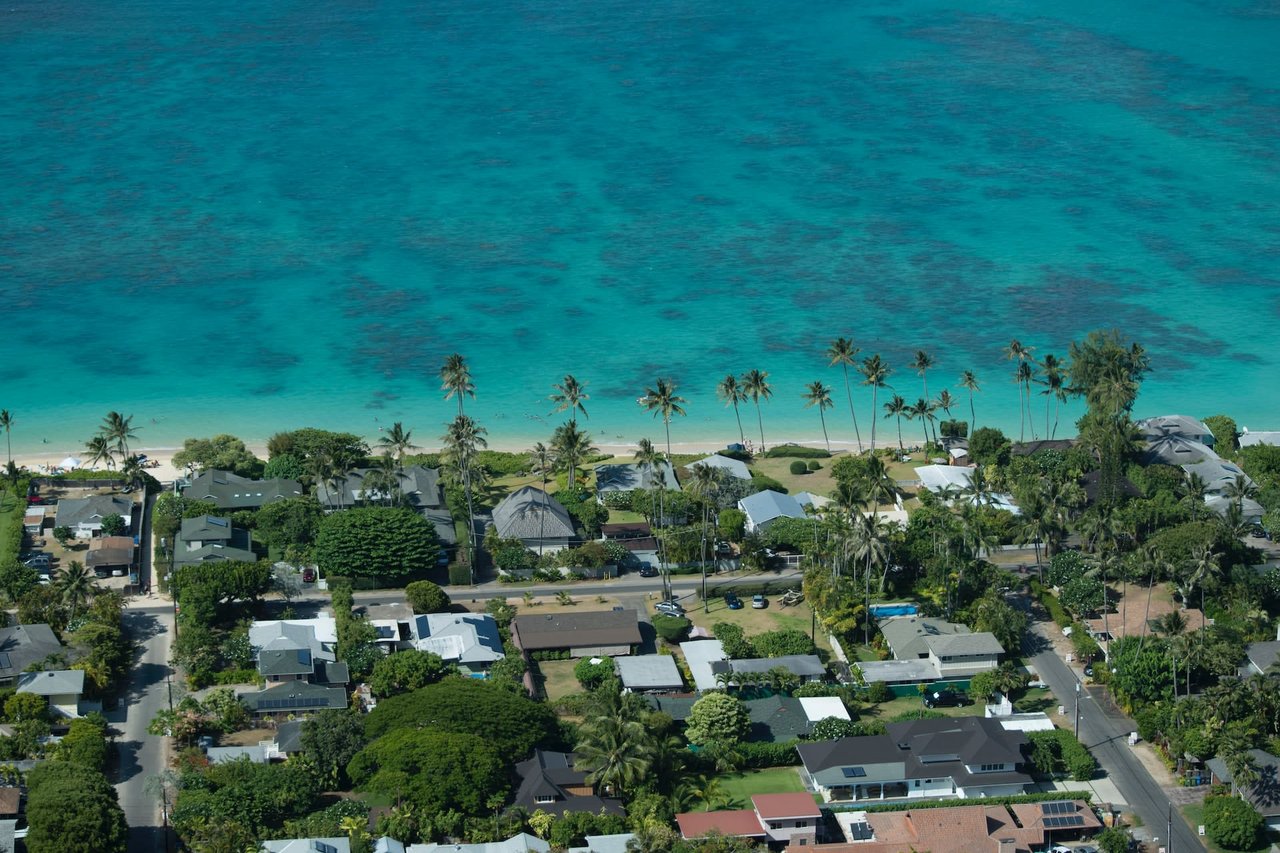
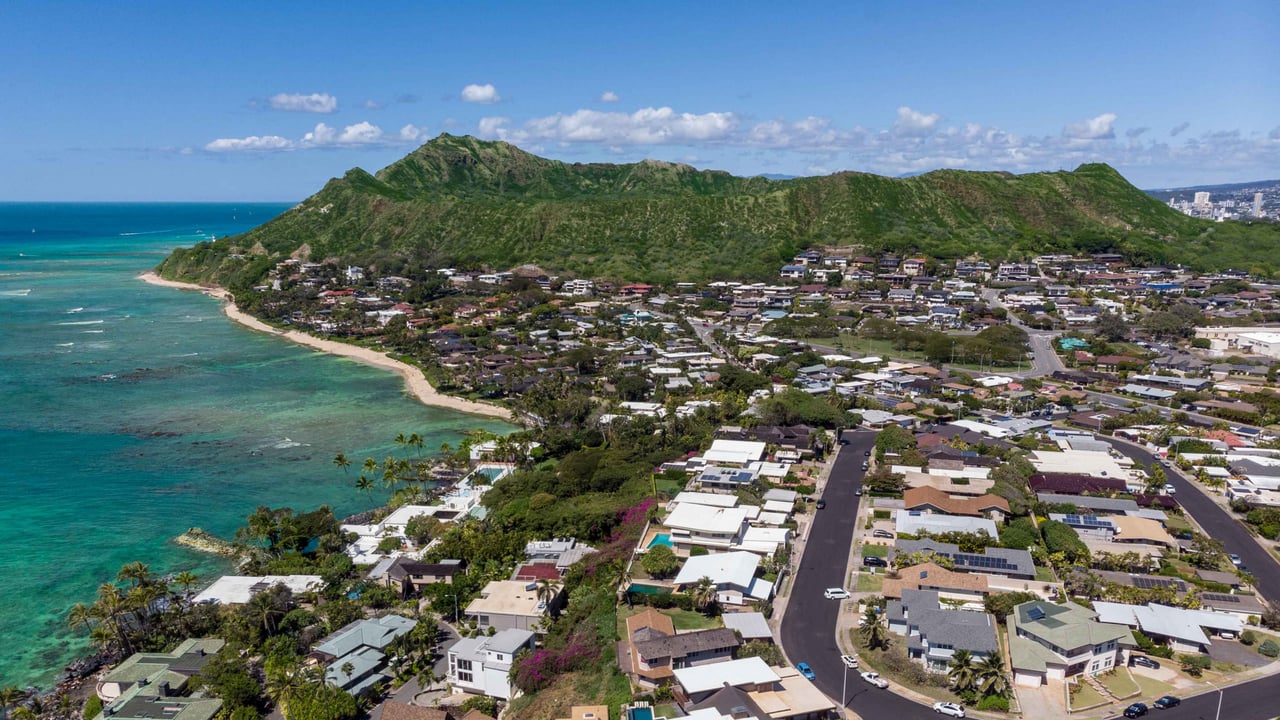
Located on the southern shore of Oʻahu, Honolulu serves as Hawaii’s primary economic and cultural hub. Its strategic position in the Pacific makes it an important gateway between the United States, Asia, and Oceania. Businesses operating in Honolulu benefit from proximity to Honolulu Harbor, Daniel K. Inouye International Airport, and major tourism centers, creating strong opportunities for trade, travel, and global business connections.
Honolulu offers several transportation options that make commuting and business access convenient. The city is served by TheBus, one of the most reliable public transit systems in the United States, connecting major commercial areas such as Downtown Honolulu, Waikiki, and Ala Moana. The Skyline rail system is also expanding, improving connectivity across Oʻahu. In addition, major highways like H-1, H-2, and H-201 provide efficient routes for employees, customers, and freight moving throughout the island.
Honolulu’s commercial landscape is supported by a diverse economy driven by tourism, government, military, healthcare, and financial services. The presence of major employers and government institutions helps maintain a steady demand for office, retail, and mixed-use commercial properties. The city also supports a growing entrepreneurial community and attracts both local and international investors seeking opportunities in Hawaii’s stable market.
Several neighborhoods stand out as commercial hotspots within Honolulu. Downtown Honolulu is known for its concentration of office towers, government buildings, and financial institutions. Waikiki offers high-traffic retail opportunities fueled by millions of visitors each year. Kakaʻako has emerged as a modern mixed-use district with new developments, creative workspaces, and trendy retail spaces that attract businesses and professionals alike.
Honolulu combines business activity with an exceptional lifestyle, making it appealing for companies looking to attract talent. The city features world-class dining, luxury shopping, entertainment venues, and beachfront recreation. Areas like Ala Moana Center, one of the largest open-air shopping centers in the world, provide convenient access to retail, restaurants, and services for both professionals and visitors.
Find Your Dream Honolulu Home for Sale
Browse things to do, places to see, and landmarks to explore in Honolulu and nearby areas.
Read the latest news, tips, and insights for the Hawaii real estate market.