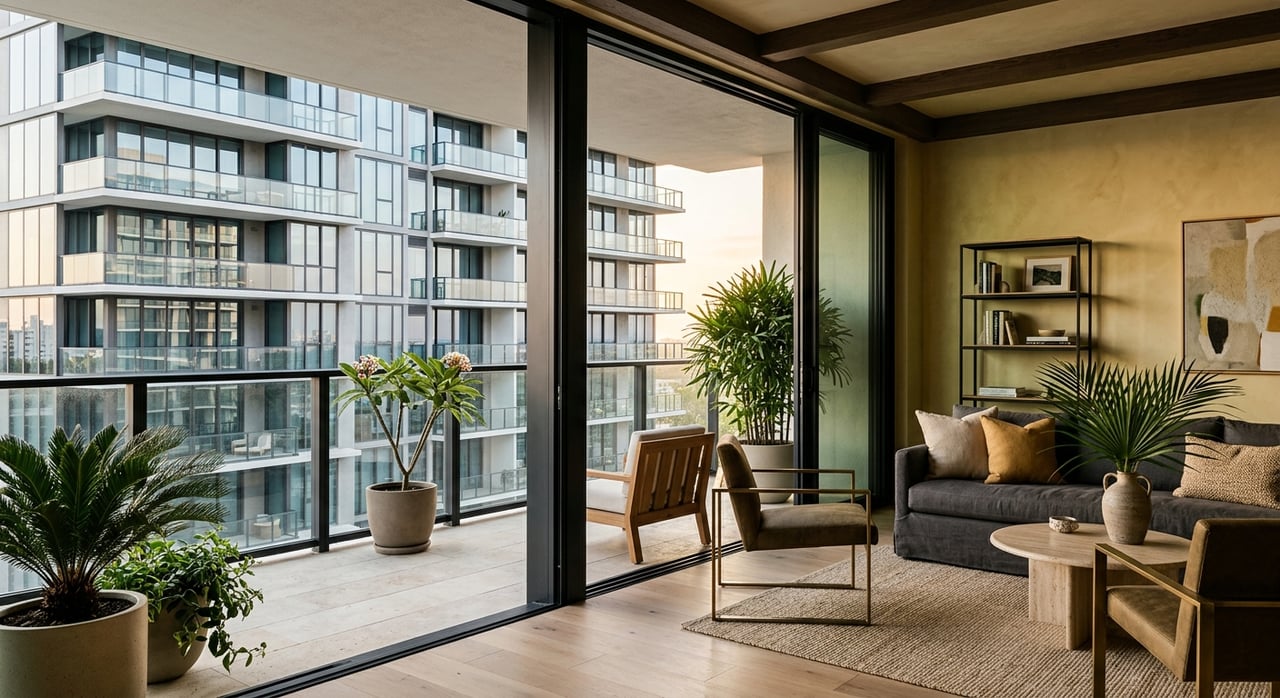
Trying to choose between Kailua and Honolulu? It is a bigger decision than picking one beach town over another. You are really choosing between two very different day-to-day lifestyles on Oahu, and that choice affects your commute, housing options, routines, and how you spend your free time. If you want a clear, practical way to compare them, this guide will help you sort through the trade-offs. Let’s dive in.
Kailua vs Honolulu at a glance
Kailua and Honolulu both offer access to the coast, but they live very differently. Kailua has a population of 40,514, while Urban Honolulu has 350,964 residents. That difference in scale shapes everything from traffic patterns to housing choices to how busy daily life feels.
In broad terms, Kailua tends to feel more residential and beach-centered, while Honolulu offers a more urban coastline with greater density, more services, and a wider mix of jobs and amenities. City planning documents support that contrast, with Kailua’s broader area emphasizing preservation of existing residential character and Honolulu’s Primary Urban Center identified as a key place for future residential and job growth.
Choose Kailua for a beach-first lifestyle
If your ideal routine includes staying close to the shoreline, planning your days around outdoor time, and living in a neighborhood-scale setting, Kailua may feel like the better fit. The area is closely tied to places like Kailua Beach Park and the Lanikai-Kaʻōhao shoreline, which play a major role in the local lifestyle.
That said, beach living in Kailua comes with practical considerations. The City notes that Lanikai has one public roadway access, visitor demand can create congestion and parking pressure, and Lanikai Beach has no public parking lots. In some parts of Kailua, that means your experience depends not just on location, but also on how comfortable you are navigating access and timing.
What Kailua may suit best
Kailua can be a strong match if you want:
- A smaller community setting
- A more residential daily rhythm
- Easy access to beach and shoreline recreation
- A market with a high share of owner-occupied homes
- A home purchase that leans toward long-term ownership
Kailua’s owner-occupied housing rate is 72.3%, compared with 48.9% in Urban Honolulu. Its median owner-occupied home value is also notably higher at $1,353,700, compared with $843,400 in Urban Honolulu.
Choose Honolulu for urban convenience
If you want a lifestyle with more daily convenience, shorter average commutes, and broader housing variety, Honolulu often stands out. The city’s planning framework describes higher-density residential areas as being close to jobs, shopping districts, hospitals, parks, and entertainment, with mixed-use development as a central part of the urban model.
That translates into a very different everyday experience. In Honolulu, your errands, dining options, services, and work centers are often more integrated into the same general urban area, which can make life feel more efficient if you prefer a faster-moving routine.
What Honolulu may suit best
Honolulu may be the better fit if you want:
- More housing types to choose from
- Stronger transit support
- Shorter average commute times
- Closer proximity to job centers and services
- A more city-oriented lifestyle near the coast
Honolulu’s planning documents describe a wide range of housing forms, from single-family homes and attached houses to low-rise multifamily, townhouses, apartments, and high-rise mixed-use buildings. Waikiki is also identified as a resort and mixed-use district with high-rise buildings and supporting commercial uses.
Compare commute and transportation
For many buyers, this is where the decision becomes clearer. The Census reports a mean travel time to work of 29.1 minutes in Kailua and 21.9 minutes in Urban Honolulu. That is a meaningful difference when you think about how often you make the trip each week.
Kailua does have bus service, and Route 671 connects Kailua Town to Lanikai while also linking to regional routes serving Downtown Honolulu and Ala Moana. The City also notes that Pali Highway directly connects Kailua to Urban Honolulu’s central business district, and much of Windward bus service uses that route.
Honolulu, however, offers a stronger car-light option. Skyline Segments 1 and 2 are open and provide rail service from East Kapolei to Middle Street. If transit access matters to you, Honolulu generally offers more support for a less car-dependent routine.
Transportation trade-offs to keep in mind
Here is the practical difference:
- Kailua: Better if you are comfortable driving and planning around traffic and access
- Honolulu: Better if you value shorter trips and more transit support
Neither is universally better. It depends on whether your priority is a quieter beach-oriented setting or ease of movement across a more urban environment.
Compare housing choices and costs
Housing may be the most decisive category of all. Kailua and Honolulu differ not just in price, but in the kinds of homes and living arrangements you are more likely to find.
Kailua has higher ownership rates, higher median home values, and higher median rent. The Census reports a median gross rent of $3,093 in Kailua, compared with $1,823 in Urban Honolulu. Average household size is also larger in Kailua at 2.90 persons per household, versus 2.45 in Urban Honolulu.
That data points to a market that often leans more toward long-term owner-occupants and higher-cost housing. Honolulu, by contrast, tends to offer a broader renter and condo market with more variation in housing form.
A quick housing comparison
| Category | Kailua | Urban Honolulu |
|---|---|---|
| Population | 40,514 | 350,964 |
| Mean commute to work | 29.1 minutes | 21.9 minutes |
| Owner-occupied rate | 72.3% | 48.9% |
| Median home value | $1,353,700 | $843,400 |
| Median gross rent | $3,093 | $1,823 |
It is also important not to oversimplify Kailua. While many buyers associate it with detached homes, the City has noted a planned four-story affordable rental project on Kihapai Place in Kailua on apartment-zoned land. So while Kailua is more residential in character, it is not limited to just one housing type.
Think about your daily rhythm
A lifestyle decision is rarely about one stat. It is about how your mornings, workdays, weekends, and errands feel over time. That is why the best choice usually comes down to the kind of rhythm you want your home base to support.
Kailua tends to appeal to people who want their environment to feel more neighborhood-oriented and closely tied to the shoreline. Honolulu tends to appeal to people who want more options close at hand, whether that means transit, work access, shopping, dining, or mixed-use living.
Ask yourself these questions
If you are deciding between Kailua and Honolulu, start here:
- Do you want a smaller residential setting or a larger urban environment?
- Are you comfortable with a longer average commute for a beach-first lifestyle?
- Do you want a wider range of condo, townhouse, and high-rise options?
- Will parking and access constraints affect how you want to use the beach?
- Are you looking for a long-term ownership play or more flexibility in housing type?
Your answers can quickly point you in the right direction.
Which one fits you best?
If you want a quieter, more residential coastal setting where beach access shapes daily life, Kailua may feel more aligned with your goals. If you want stronger transit options, a shorter average commute, and a wider mix of housing and city conveniences, Honolulu may be the better fit.
This is not just a choice between suburb and city. It is a choice between a beach-first residential environment and a dense urban coastline with more everyday convenience. If you are weighing both options, working with someone who understands the differences at the neighborhood level can make the decision much easier.
Whether you are comparing coastal homes, condos, or long-term lifestyle options on Oahu, Beth Chang can help you evaluate the details and move forward with clarity.
FAQs
Is Kailua or Honolulu better for commuting on Oahu?
- Urban Honolulu has the shorter mean commute to work at 21.9 minutes, compared with 29.1 minutes in Kailua.
Is Kailua or Honolulu more expensive for housing?
- Based on Census data, Kailua has a higher median owner-occupied home value at $1,353,700 and a higher median gross rent at $3,093 than Urban Honolulu.
Does Honolulu have more housing variety than Kailua?
- Yes. Honolulu’s planning documents describe a wider range of housing types, including single-family homes, townhouses, apartments, and high-rise mixed-use buildings.
Is Kailua mainly a homeowner market?
- Kailua has a higher owner-occupied housing rate at 72.3%, which suggests a stronger ownership presence than Urban Honolulu’s 48.9%.
What is the lifestyle difference between Kailua and Honolulu?
- Kailua generally offers a more residential, beach-centered setting, while Honolulu offers a denser urban coastline with more services, transit support, and mixed-use convenience.