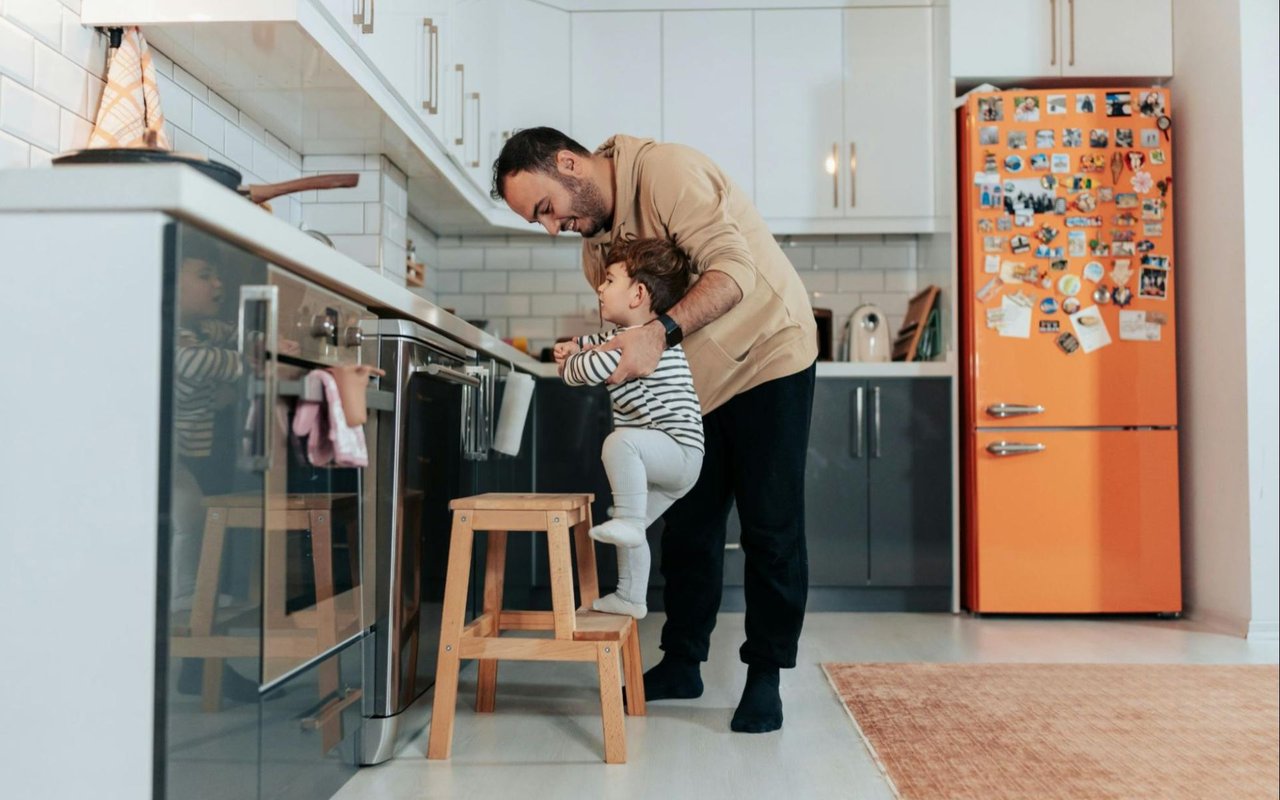
When it comes to raising a family, ensuring that the home is a safe environment is one of the most important responsibilities a parent or guardian can take on. For families in Honolulu, where homes often blend indoor and outdoor living, unique architectural designs and lifestyle patterns add both charm and potential challenges. Whether in a high-rise condominium with lanai access or a single-family home in a residential neighborhood, taking the right precautions can significantly reduce risks. Understanding the fundamentals of child safety at home helps parents create a secure and supportive environment that promotes both safety and independence.
Childproofing a home is not just about making a few quick fixes—it involves understanding how children interact with their surroundings and proactively adjusting the space to minimize hazards. For buyers with young children or prospective parents planning for the future, evaluating a property's safety features should be an integral part of the homebuying process. Honolulu’s diverse housing styles and multi-level floor plans require a tailored approach to safety, with attention given to elevation changes, water access, and open-concept designs.
Addressing Entry Points and Home Access
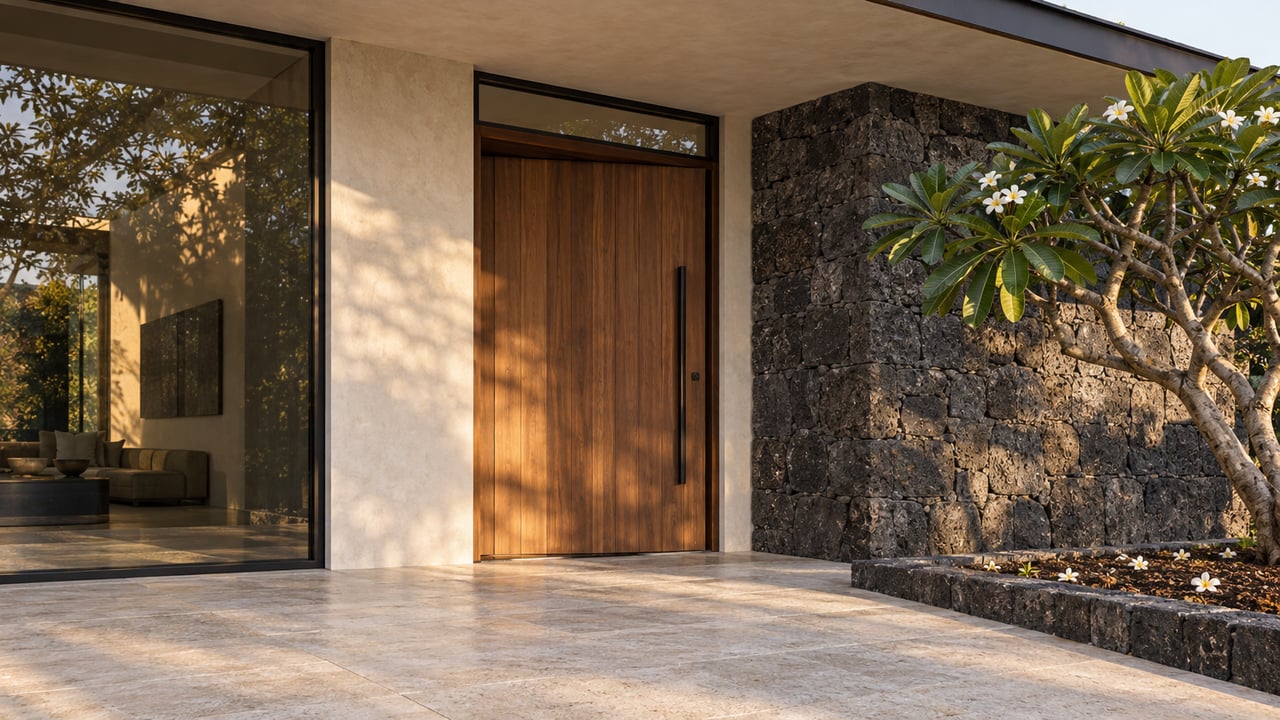
A child-safe home starts with secure entry points. For homes with ground-level access, fencing and secure gates provide a vital barrier between children and exterior hazards such as driveways, roads, and swimming pools. In neighborhoods like Hawaii Kai or Kailua, where outdoor living is a major part of daily life, ensuring that doors and gates are fitted with childproof locks and alarm sensors can prevent unsupervised exits.
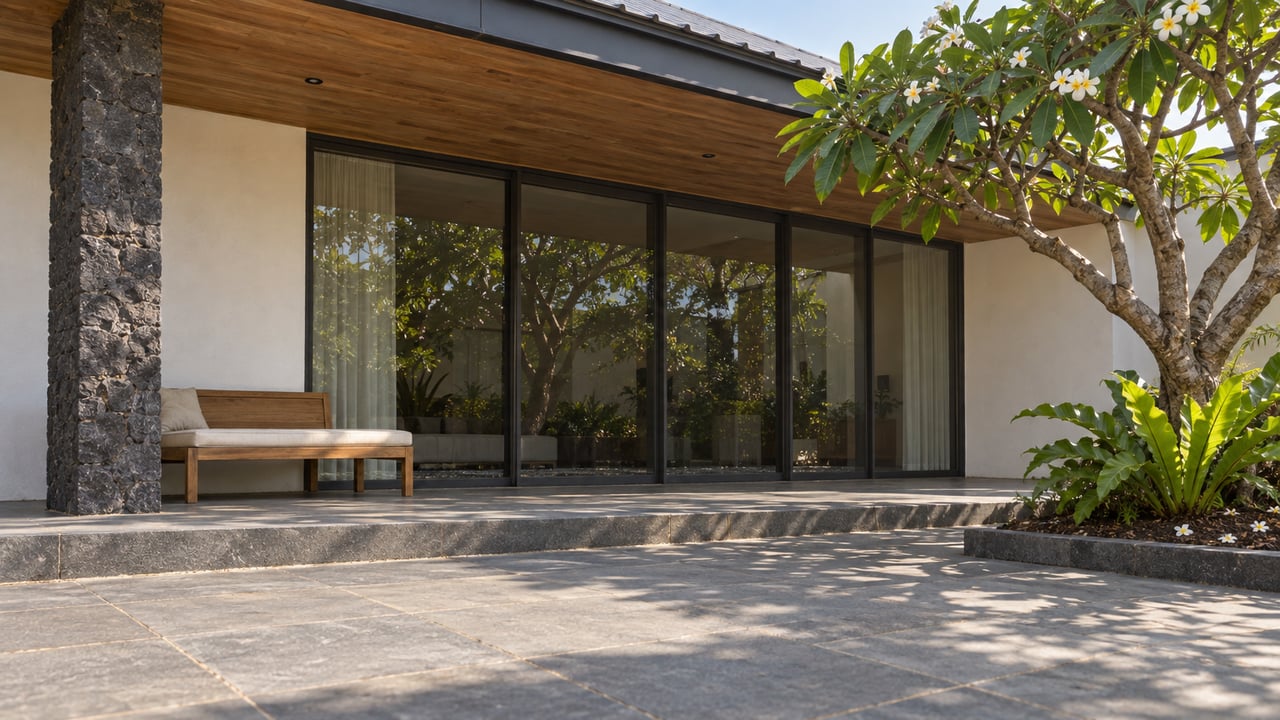
In high-rise condos, balcony doors and lanai railings require particular scrutiny. Railings should be at least 42 inches high and free of horizontal bars that could be climbed. Sliding doors should have locks out of reach of small children and be equipped with secondary locking mechanisms to prevent accidental opening. These adjustments support child safety at home by creating safe limits within the property’s layout, allowing families to enjoy ocean views and open-air living without compromising safety.
In high-rise condos, balcony doors and lanai railings require particular scrutiny. Railings should be at least 42 inches high and free of horizontal bars that could be climbed. Sliding doors should have locks out of reach of small children and be equipped with secondary locking mechanisms to prevent accidental opening. These adjustments support child safety at home by creating safe limits within the property’s layout, allowing families to enjoy ocean views and open-air living without compromising safety.
Creating a Safe Indoor Layout
Inside the home, safety begins with awareness of how children move through space. Toddlers and young children are naturally curious and often explore their environment without understanding risk. Sharp edges, slippery floors, and unsecured furniture all present hazards that can be addressed through thoughtful design and preventive products.
Anchoring furniture such as bookcases, televisions, and dressers helps reduce the risk of tip-over accidents. Corner guards on low tables, area rugs with non-slip backing, and gates on staircases are essential tools for managing common risks in multi-level homes. Electrical outlets should be covered, and cords for blinds or drapery must be secured and kept out of reach to avoid entanglement.
Kitchens and bathrooms present another layer of risk. For families in Honolulu homes with open kitchen layouts, cabinet locks, stove knob covers, and anti-scald devices on faucets help manage access to heat and hazardous materials. Childproof latches on medicine cabinets and cleaning supply storage also contribute significantly to child safety at home, especially in homes with under-sink storage or low drawers.
Anchoring furniture such as bookcases, televisions, and dressers helps reduce the risk of tip-over accidents. Corner guards on low tables, area rugs with non-slip backing, and gates on staircases are essential tools for managing common risks in multi-level homes. Electrical outlets should be covered, and cords for blinds or drapery must be secured and kept out of reach to avoid entanglement.
Kitchens and bathrooms present another layer of risk. For families in Honolulu homes with open kitchen layouts, cabinet locks, stove knob covers, and anti-scald devices on faucets help manage access to heat and hazardous materials. Childproof latches on medicine cabinets and cleaning supply storage also contribute significantly to child safety at home, especially in homes with under-sink storage or low drawers.
Managing Outdoor Areas and Water Features
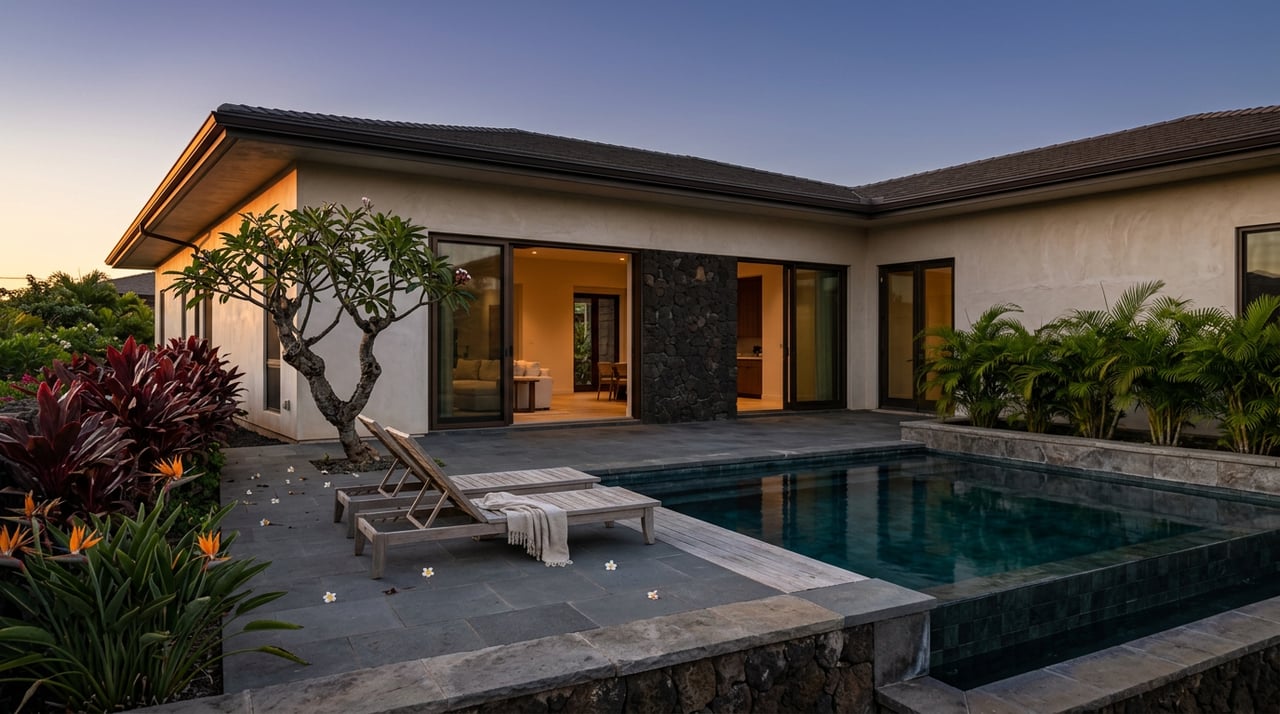
Given Honolulu’s year-round warm climate, many families spend a great deal of time outdoors, whether in backyards, patios, or poolside areas. While this enhances lifestyle and recreation, it also introduces new safety considerations. Pools, hot tubs, and water features should be fully enclosed with self-closing gates and childproof latches. Alarms and pool covers add additional layers of protection and are particularly useful in homes where the pool is directly accessible from the living space.
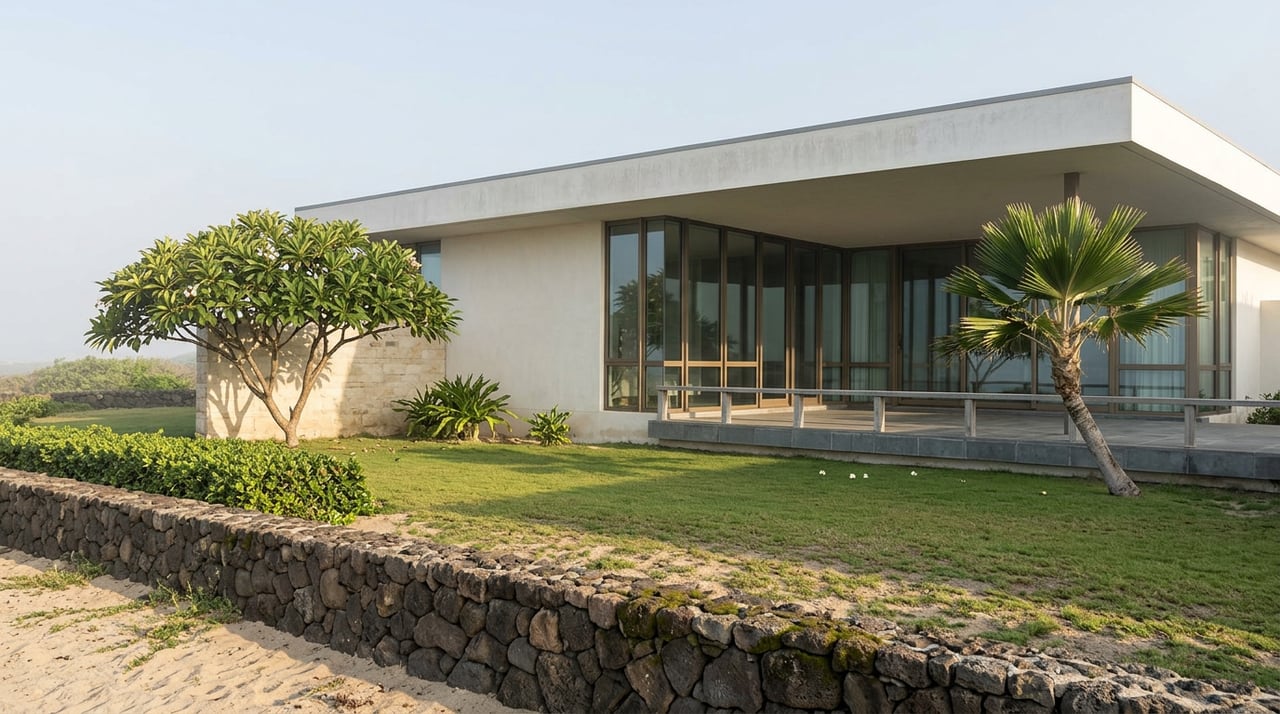
Yards and play areas should be fenced to separate children from nearby roads or open terrain. Landscaping elements such as lava rock or tropical plants should be evaluated for sharp edges or potential toxicity if ingested. Storage sheds, garages, and tool areas should remain locked when not in use, and gardening tools or chemicals should be stored in elevated, inaccessible locations.
Creating zones within the yard for play, dining, and gardening helps children understand where they can safely explore, while maintaining sightlines ensures caregivers can supervise activity from multiple points inside and outside the home. The goal is to promote freedom and outdoor play, while still maintaining control over the safety parameters of the environment.
Yards and play areas should be fenced to separate children from nearby roads or open terrain. Landscaping elements such as lava rock or tropical plants should be evaluated for sharp edges or potential toxicity if ingested. Storage sheds, garages, and tool areas should remain locked when not in use, and gardening tools or chemicals should be stored in elevated, inaccessible locations.
Creating zones within the yard for play, dining, and gardening helps children understand where they can safely explore, while maintaining sightlines ensures caregivers can supervise activity from multiple points inside and outside the home. The goal is to promote freedom and outdoor play, while still maintaining control over the safety parameters of the environment.
Technology and Home Automation for Safety
Modern home technology offers new ways to enhance child safety at home, especially for working parents or those managing multiple children. Smart door locks, motion sensors, and video doorbells allow homeowners to monitor activity at entry points in real time. Baby monitors with app integration and cameras in key areas like playrooms or nurseries help parents maintain awareness even when physically in another room.
Home automation systems can also be used to control lighting, alarms, and even temperature—all important for homes with young children. Automated lighting in stairways, night lights in hallways, and temperature regulators on water heaters help prevent accidents and discomfort. In Honolulu’s many eco-conscious homes, solar-powered exterior lights can add visibility during evening hours without increasing energy consumption.
In addition to smart devices, establishing clear household safety rules and educating older siblings or caregivers about safety procedures ensures that everyone in the home contributes to a safe environment. Safety is not just about barriers—it’s about building awareness, routine, and accountability.
Home automation systems can also be used to control lighting, alarms, and even temperature—all important for homes with young children. Automated lighting in stairways, night lights in hallways, and temperature regulators on water heaters help prevent accidents and discomfort. In Honolulu’s many eco-conscious homes, solar-powered exterior lights can add visibility during evening hours without increasing energy consumption.
In addition to smart devices, establishing clear household safety rules and educating older siblings or caregivers about safety procedures ensures that everyone in the home contributes to a safe environment. Safety is not just about barriers—it’s about building awareness, routine, and accountability.
Evaluating Safety When Buying or Renting a Home
For families looking to buy or rent a home in Honolulu, assessing safety features during tours or inspections is crucial. Homes in hillside neighborhoods like Tantalus or Aina Haina may include elevation changes, steps, and terraced yards. Condos in urban areas like Kakaako may include shared amenities such as pools, rooftop decks, or gyms—all of which require oversight and age-appropriate restrictions.
Real estate professionals who understand the importance of child safety at home can help guide families toward properties that naturally align with their safety needs or identify cost-effective modifications to improve security. Reviewing home inspection reports, checking for lead paint or asbestos in older homes, and confirming building code compliance can prevent costly surprises and ensure long-term peace of mind.
Parents should also consider the layout of bedrooms in relation to shared living spaces, the presence of lockable storage, and the proximity to schools, parks, and pediatric services—all of which contribute to a safe and supportive home environment.
Real estate professionals who understand the importance of child safety at home can help guide families toward properties that naturally align with their safety needs or identify cost-effective modifications to improve security. Reviewing home inspection reports, checking for lead paint or asbestos in older homes, and confirming building code compliance can prevent costly surprises and ensure long-term peace of mind.
Parents should also consider the layout of bedrooms in relation to shared living spaces, the presence of lockable storage, and the proximity to schools, parks, and pediatric services—all of which contribute to a safe and supportive home environment.
Find Family-Friendly Homes That Support Child Safety at Home with Beth Chang
Creating a safe home for children involves a mix of thoughtful design, proactive planning, and expert guidance. Families navigating the Honolulu real estate market can benefit greatly from working with a knowledgeable local agent who understands the unique challenges and opportunities of island living. Whether you’re searching for your first family home or preparing to upgrade to a space that better suits your growing needs, Beth Chang offers deep local insight and a client-focused approach to help you find a property where safety, comfort, and lifestyle meet. Contact Beth Chang today to explore homes that prioritize child safety at home and provide a foundation for years of happy, secure living.