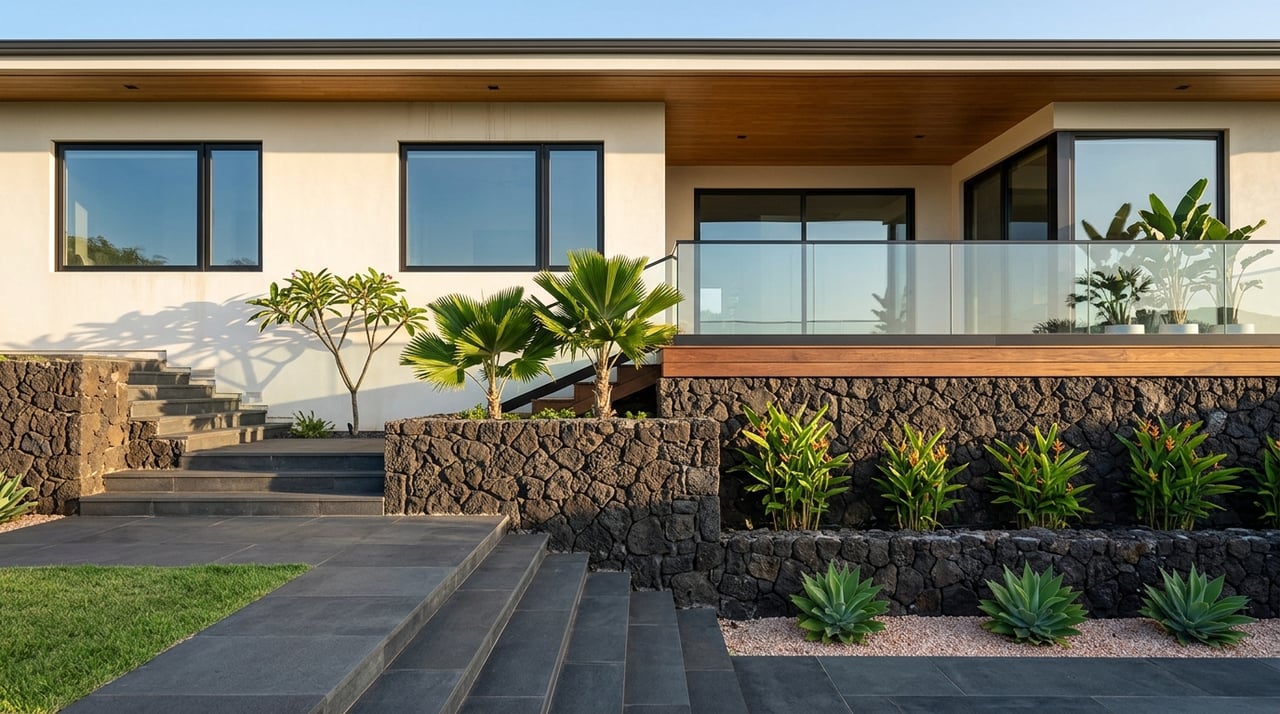
If you have ever wondered why one Hawaii Kai home feels like a marina lifestyle play and another feels more like a view-driven estate, you are asking the right question. Hawaii Kai is not one uniform market, and that matters whether you are buying, selling, or simply trying to understand value. When you know how the micro-neighborhoods differ, you can read pricing, inventory, and demand with much more clarity. Let’s dive in.
Why Hawaii Kai Works as Micro-Markets
Hawaii Kai is a planned East Honolulu district with boundaries that run from Makapuʻu Point along the south coast to the western outlet of Kuapa Pond, then inland to Maunalua Avenue, Maunalua Ridge, and the Koʻolau crest. From the start, Henry Kaiser’s development plan included the marina, a golf course, parks, open space, shopping, and schools.
That master-planned layout helped create distinct pockets rather than one single housing type. In practical terms, that means marina-front homes, interior valley properties, ridge communities, and shoreline enclaves can behave very differently from one another.
Hawaii Kai Market Snapshot
Across Hawaii Kai overall, public market data points to a balanced market, but the exact numbers vary by source and time frame. Realtor.com’s March and April 2026 snapshot shows 134 homes for sale, a median listing price of $1.05 million, a median sold price of $1,406,500, 55 median days on market, and a 97% sale-to-list ratio.
Redfin’s three-month view ending in May 2026 shows a median sale price of $1.294 million and 88 days on market. Honolulu Board data compiled in the January 2026 local market update show Hawaii Kai single-family medians at $1.45 million and condo medians at $717,500, while the December 2025 year-to-date report shows single-family medians at $1.615 million and condo medians at $845,000.
The takeaway is simple: the broad Hawaii Kai market is useful context, but it does not tell the whole story. To understand pricing and opportunity, you need to break the area into its smaller submarkets.
Marina-Front Neighborhoods
The marina-front pockets are the most water-oriented part of Hawaii Kai. These areas appeal to buyers who want direct or nearby access to the marina and a lifestyle tied closely to boating and the waterfront setting.
The Hawaii Kai Marina Community Association describes the marina as a private 266-acre inland body of water with about 12 miles of shoreline that provides boat access to Maunalua Bay. Because of that setup, details like dock orientation, slip access, and homeowners association rules can carry real importance when comparing one property to another.
Hawaii Kai Marina
Realtor.com identifies Hawaii Kai Marina as a distinct neighborhood with a median listing price of $1,296,500, 19 homes for sale, and 37 median days on market. That inventory count makes it one of the deeper listing pools among Hawaii Kai micro-neighborhoods in the current public snapshot.
For buyers, this can mean more choices than you might find in some of the smaller luxury enclaves. For sellers, it means your home may be competing against a more visible group of similar listings, so pricing and presentation matter.
The Peninsula and West Marina
The Peninsula at Hawaii Kai shows a median listing price of $832,000 with 10 homes for sale and 46 days on market. Honolulu Board data show West Marina condo sales at a median of $787,500 in January 2026, while the December 2025 year-to-date report shows West Marina single-family sales at a median of $1.875 million.
That range highlights an important Hawaii Kai reality. Even inside one marina-oriented zone, condos, townhomes, and single-family homes can occupy very different price lanes.
Interior and Golf-Course Pockets
The interior corridor of Hawaii Kai is where you usually find golf-course-adjacent and valley homes. These neighborhoods often appeal to buyers who want a Hawaii Kai location without paying marina-front or ridge-level pricing.
This part of the market can offer a more middle band of pricing, though current inventory can be very limited depending on the pocket. That makes local context especially important when you are comparing value.
Koko Head Terrace
Realtor.com shows Koko Head Terrace with a median listing price of $1,535,000, 5 homes for sale, and 54 median days on market. Honolulu Board data place Koko Head Terrace at a $1.2875 million year-to-date median in 2025 and $1.26 million in January 2026.
That pattern suggests a steadier mid-market position than many ridge or shoreline pockets. For buyers, Koko Head Terrace may offer a more approachable path into single-family ownership in Hawaii Kai than the highest-priced enclaves.
Kamiloiki and Similar Interior Areas
Kamiloiki had only 2 homes for sale in the March 2026 snapshot. When inventory is that thin, prices can move quickly and one sale can shape the market narrative more than you might expect.
This is one reason broad averages can be misleading in Hawaii Kai. A neighborhood with only a few available homes may feel very different on the ground than the overall district statistics suggest.
Ridge and Hillside Neighborhoods
Ridge living tends to represent the privacy-and-view tier of Hawaii Kai. These neighborhoods usually attract buyers who prioritize elevation, outlook, and separation over marina access.
In the public data, the ridge neighborhoods sit clearly above much of the broader Hawaii Kai market. That pricing gap helps explain what buyers are paying for in these pockets.
Hawaii Loa Ridge
The Hawaii Loa Ridge owners association describes the neighborhood as a private suburban subdivision with controlled access, private roads, tennis courts, parks, clubhouse space, and 24-hour mobile security. Realtor.com shows a $3,834,444 median listing price with 16 homes for sale and 78 median days on market, while Honolulu Board year-to-date 2025 data show a median sold price of $3.475 million.
Those numbers place Hawaii Loa Ridge near the top of the Hawaii Kai pricing ladder. It also has one of the larger active listing counts among the luxury pockets, which gives buyers some selection while still keeping the market firmly premium.
Mariners Ridge
Mariners Ridge sits below Hawaii Loa Ridge in price, but it still reads as a premium hillside pocket. Honolulu Board year-to-date 2025 data show a median sold price of $1.85 million, while Realtor.com showed only 2 active listings in March 2026.
For sellers, limited inventory can be helpful if your home is well positioned for the current market. For buyers, it means patience may be part of the process.
Coastal and Estate Enclaves
Hawaii Kai’s highest-priced pockets cluster around the shoreline and point. These are the micro-neighborhoods where location, access, and setting can have an outsized effect on value.
They also tend to have very small listing counts, which means pricing can look dramatic from one reporting period to the next. In a thin market, each sale carries more weight.
Portlock
Honolulu Board data show Portlock at a year-to-date 2025 median sold price of $5.4 million. Realtor.com’s March 2026 snapshot shows just 4 homes for sale.
That makes Portlock the clearest top-end pricing pocket in the public data provided here. It also shows how limited inventory can define the experience for both buyers and sellers in this part of Hawaii Kai.
Koko Kai, Paiko Lagoon, Triangle, and Queen’s Gate
Honolulu Board data show Koko Kai at a $3.525 million year-to-date 2025 median sold price, Paiko Lagoon at $3.05 million, Triangle at $2.125 million, and Queen’s Gate at $1.932 million. Realtor.com’s March 2026 snapshot shows Queen’s Gate with 3 homes for sale.
These figures reinforce the point that “Hawaii Kai luxury” is not one category. Each pocket sits in its own pricing lane, and small differences in setting can translate into major differences in value.
What Buyers Should Watch
If you are shopping in Hawaii Kai, your first step is to decide what kind of lifestyle matters most to you. The micro-neighborhoods tend to sort themselves around a few core priorities:
- Marina access and waterfront orientation
- Interior location and more moderate pricing bands
- Elevation, privacy, and views
- Shoreline setting and estate-level pricing
The current public data suggest the easiest entry points are still in the condo and townhome lanes, especially The Peninsula and West Marina condos. Selected interior pockets like Koko Head Terrace may also offer a path into Hawaii Kai below the highest-end price tiers.
If you are focused on inventory, Hawaii Kai Marina and Hawaii Loa Ridge currently show relatively deeper listing counts, with 19 and 16 homes for sale respectively in the March 2026 snapshot. That does not make them simple markets, but it may give you more options than the smallest enclaves.
What Sellers Should Watch
If you are selling in Hawaii Kai, the biggest mistake is treating your property like a generic district listing. Buyers compare homes within the same micro-neighborhood first, and they usually notice quickly whether a home belongs in a marina, ridge, interior, or shoreline pricing conversation.
That means your pricing strategy should be grounded in the right competitive set. A home in Hawaii Loa Ridge, Portlock, West Marina, or Koko Head Terrace may all sit inside greater Hawaii Kai, but buyers will evaluate them through very different lenses.
Small sample sizes also matter. Several sub-neighborhoods had only one to five recorded sales in the Honolulu Board tables, which means median prices can swing sharply from month to month.
For sellers, that is where experience becomes especially valuable. Looking only at a headline median can lead to overpricing or underpricing if you are not adjusting for the most relevant pocket and the latest available inventory.
Why the Numbers Can Look Inconsistent
You may notice that different sources report different medians and days on market for Hawaii Kai. That does not automatically mean the data is unreliable.
In this case, the sources are using different time windows and metrics. On top of that, many micro-neighborhoods have very few sales, so one or two transactions can move the median quickly.
The smart way to read Hawaii Kai is to use neighborhood-wide data as a starting point, then narrow down to the specific pocket that matches your property or search. That is how you get a more realistic picture of value and timing.
If you want help comparing Hawaii Kai’s micro-neighborhoods through a buyer or seller lens, working with a broker who knows the area block by block can make the process much clearer. To talk through your options in Hawaii Kai, connect with Beth Chang.
FAQs
What makes Hawaii Kai different from one single neighborhood?
- Hawaii Kai is a planned East Honolulu district with multiple distinct pockets, including marina-front, interior valley, ridge, and shoreline areas, and each can behave differently in price, inventory, and buyer demand.
Which Hawaii Kai micro-neighborhoods show the lowest public entry points?
- The current public data point first to marina condos and townhomes, including The Peninsula at Hawaii Kai and West Marina condos, with some interior pockets like Koko Head Terrace also offering lower price bands than ridge or shoreline enclaves.
Which Hawaii Kai micro-neighborhood is the most expensive?
- In the public data provided, Portlock ranks highest with a year-to-date 2025 median sold price of $5.4 million, while Hawaii Loa Ridge also sits near the top with a $3,834,444 median listing price.
Which Hawaii Kai micro-neighborhoods have the most current inventory?
- In the March 2026 public snapshot, Hawaii Kai Marina had 19 homes for sale and Hawaii Loa Ridge had 16, which were among the larger listing counts in the area.
Why do Hawaii Kai micro-neighborhood prices change so much?
- Several Hawaii Kai sub-neighborhoods have very small numbers of sales, so even one to five transactions can shift the median price noticeably from one month or reporting period to the next.
How should you compare a Hawaii Kai home to the right market segment?
- Start by identifying whether the home is marina-front, interior, ridge, or shoreline, then compare it to similar properties in that same pocket instead of relying only on broader Hawaii Kai averages.