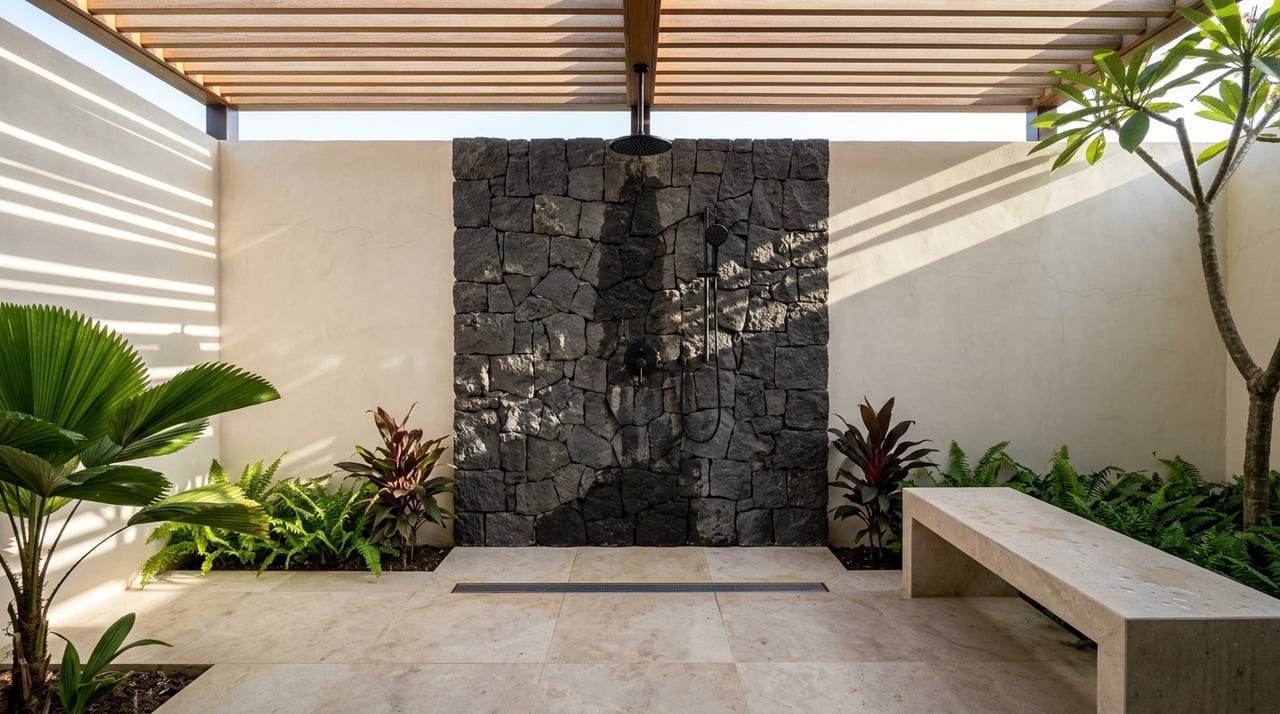
Dreaming about a second home in Kailua? You are not alone. For many buyers, Kailua offers the kind of lifestyle that makes part-time ownership feel deeply rewarding, but it also comes with important financial, practical, and coastal-risk questions. If you are thinking about buying in this windward Oahu market, here are the key considerations to weigh before you move forward.
Why Kailua Appeals to Second-Home Buyers
Kailua has a strong residential character that stands out right away. Census data shows a 72.3% owner-occupied housing rate, a median owner-occupied home value of $1,353,700, and a median household income of $148,582. Together, those numbers point to a community shaped more by homeowners than by short-term visitor turnover.
That matters if you are looking for a place that feels stable, established, and lived in year-round. For a second-home buyer, this can translate into a more consistent neighborhood experience and a market driven by long-term housing demand.
Kailua also offers the lifestyle many buyers picture when they think about owning on Oahu’s windward side. Kailua Beach is on Oahu’s windward shore and is lifeguarded daily from 8:00 a.m. to 6:30 p.m., making beach access a meaningful part of the area’s appeal.
From a market standpoint, Kailua remains competitive but not frantic. As of May 2026, Realtor.com reported 147 homes for sale, a median listing price of $1,624,000, and median days on market of 50, while describing Kailua as a balanced market.
Compare Single-Family Homes and Condos Carefully
Your best second home in Kailua may look very different depending on how often you plan to use it. Some buyers want maximum privacy and outdoor living, while others prioritize simplicity and ease when they are off-island.
Detached homes are still the dominant housing type in Kailua. Current ACS-derived profile data show that 83% of Kailua housing structures are single-unit homes, and a Honolulu County census profile from 2010 showed 78.3% one-unit detached housing.
That does not mean condos should be overlooked. In fact, local market data for the Kailua-Waimanalo area show distinct price points between the two segments. In May 2026, the single-family median sales price was $1,677,500, while the condo year-to-date median sales price was $850,000.
What to Evaluate Beyond Price
When you compare property types, think beyond the headline number. A second home should support the way you actually plan to live.
Key questions to ask include:
- How easy is the property to lock and leave?
- Is there adequate parking for your needs?
- Do you want guest space for family or friends?
- How important is private outdoor living?
- How much maintenance will the property need while you are away?
A single-family home may offer more yard space, privacy, and flexibility, but it often comes with more upkeep. A condo may be easier to manage for part-time ownership, but the layout, parking, storage, and guest accommodations may feel more limited depending on the building and unit.
Understand Carrying Costs Before You Buy
In Kailua, purchase price is only one part of the equation. For second-home buyers, ongoing ownership costs deserve just as much attention.
One major item is property tax classification. Honolulu’s home exemption applies to a property that is owned and occupied as the owner’s principal home, with evidence that can include more than 270 calendar days of occupancy per year. The claim must be filed by September 30 preceding the tax year.
Most second homes will not qualify for that principal-residence treatment. The City and County’s Residential A rules apply to high-value residential parcels and condominium units that do not have a home exemption. For fiscal year 2025 to 2026, the Residential A tax rates are $4.00 per $1,000 on the first $1,000,000 of net taxable value and $11.40 per $1,000 above that.
Before you close, confirm how the property is classified and what that means for your annual carrying cost. This is especially important in Kailua, where home values are often high enough for tax treatment to materially affect ownership costs.
Coastal Maintenance Is a Real Planning Issue
A Kailua second home can be beautiful and rewarding, but coastal ownership comes with extra maintenance demands. Salt air, moisture, and exposure can wear on exterior materials faster than many mainland buyers expect.
Hawaiʻi Sea Grant advises regular exterior maintenance and notes that exterior painting about every five years helps prevent rot. The same guidance recommends corrosion-resistant clips and stainless-steel fasteners in salt-spray zones near the coast.
If you will not be in Kailua full-time, think carefully about how maintenance will be handled while you are away. A home that looks perfect during a showing can still require a steady plan for exterior care, drainage monitoring, and routine oversight.
Flood, Drainage, and Sea Level Rise Matter
For many Kailua second-home buyers, coastal risk should be part of the first conversation, not an afterthought. This is one of the most important parts of due diligence, especially for oceanfront or near-shore properties.
Hawaiʻi’s climate guidance notes that sea level rise has increased coastal flooding and that 50% of Kailua’s population is below expected flood zones. State guidance also recommends using the Hawaiʻi Sea Level Rise Viewer to determine whether a site is exposed to sea-level-rise hazards, with the 3.2-foot SLR-XA used as the planning scenario for most development decisions.
Flood risk is not limited to homes already mapped in high-risk zones. Hawaiʻi Sea Grant notes that poor localized drainage can still cause flooding outside high-risk flood zones, and that nearly 25% of flood insurance claims come from low-to-moderate risk areas.
That means you should review not only flood-zone maps, but also drainage patterns, access during heavy weather, and how the property may perform over time. For a part-time owner, those questions are especially important because you may not be on-site when a weather event happens.
Do Not Assume Short-Term Rental Use Is Allowed
Some second-home buyers hope a property can help offset costs when they are away. In Kailua, that assumption needs to be checked very carefully before you buy.
Honolulu’s rules are strict. Permitted short-term rentals are limited to specific resort and Waikīkī areas or long-standing nonconforming uses, and unpermitted rentals in residential zoning are prohibited. City materials also note that fines can reach $10,000 per day.
If rental income is part of your plan, verify zoning and permit status before making an offer or underwriting the property financially. It is much better to know exactly what is legally allowed up front than to discover restrictions after closing.
Sea-Level-Rise Disclosure Is Part of the Process
Hawaiʻi requires sea-level-rise disclosure in real estate transactions. In a place like Kailua, that is especially relevant for homes near the shoreline.
This disclosure requirement is helpful, but it should not replace broader due diligence. You still want a clear understanding of location-specific exposure, property condition, insurance questions, and any practical concerns tied to access or long-term maintenance.
How to Choose the Right Fit
The right second home in Kailua is rarely just the prettiest one. It is the property that best matches your lifestyle, your ownership goals, and your comfort level with cost and upkeep.
As you narrow your options, focus on these core questions:
- How often will you personally use the home?
- Do you want a lower-maintenance condo or a more private detached home?
- Are you comfortable with the tax and maintenance burden?
- Have you reviewed flood, drainage, and sea-level-rise considerations?
- Have you confirmed the property’s legal use if rental potential matters to you?
For most buyers, Kailua second-home ownership is a lifestyle purchase first and an operational decision second. When you evaluate both sides carefully, you are much more likely to end up with a property that feels rewarding, practical, and sustainable over time.
If you are considering a second home in Kailua, working with an experienced local advisor can help you compare property types, understand market context, and navigate the details that matter in a coastal Oahu purchase. To start the conversation, connect with Beth Chang.
FAQs
What makes Kailua appealing for a second home?
- Kailua offers a primarily residential setting, strong owner occupancy, beach-oriented lifestyle appeal, and a balanced market with high-value housing.
Are single-family homes or condos more common in Kailua?
- Single-unit homes are more common, with ACS-derived data showing that 83% of Kailua housing structures are single-unit homes.
How much do Kailua single-family homes and condos cost?
- In May 2026, local market data showed a median single-family sales price of $1,677,500 in Kailua-Waimanalo, while the condo year-to-date median sales price was $850,000.
Will a second home in Kailua qualify for Honolulu’s home exemption?
- Usually no, because the home exemption applies to a property that is your principal home and may require evidence such as more than 270 days of occupancy per year.
Why should Kailua buyers review flood and sea level rise risk?
- State guidance notes that sea level rise has increased coastal flooding, 50% of Kailua’s population is below expected flood zones, and drainage issues can affect properties even outside high-risk flood areas.
Can you use a Kailua second home as a short-term rental?
- You should not assume so, because Honolulu strictly limits permitted short-term rentals and prohibits unpermitted rentals in residential zoning.